A zero-dollar roof decision is not the same as an estimate below the deductible. First, identify the result in the insurer’s letter and estimate. Then preserve a clear record of the inspection and any request for another look.
A claim may be denied outright, valued below the deductible, or paid at an amount the homeowner believes leaves storm damage unaddressed. Those are different starting points, even when no payment arrives.
Read the claim result before challenging it
- Complete denial: The insurer does not pay the claim.
- Below-deductible estimate: The insurer assigns a value to damage but estimates it below the policy deductible, resulting in no payment.
- Short payment: The insurer recognizes some damage, but the amount may not cover work the homeowner believes is needed.
Read the letter and estimate closely. Determine whether the insurer found no covered damage, assigned only a small value to damage, or omitted particular damage from its estimate.
A reinspection can put disputed conditions back in view
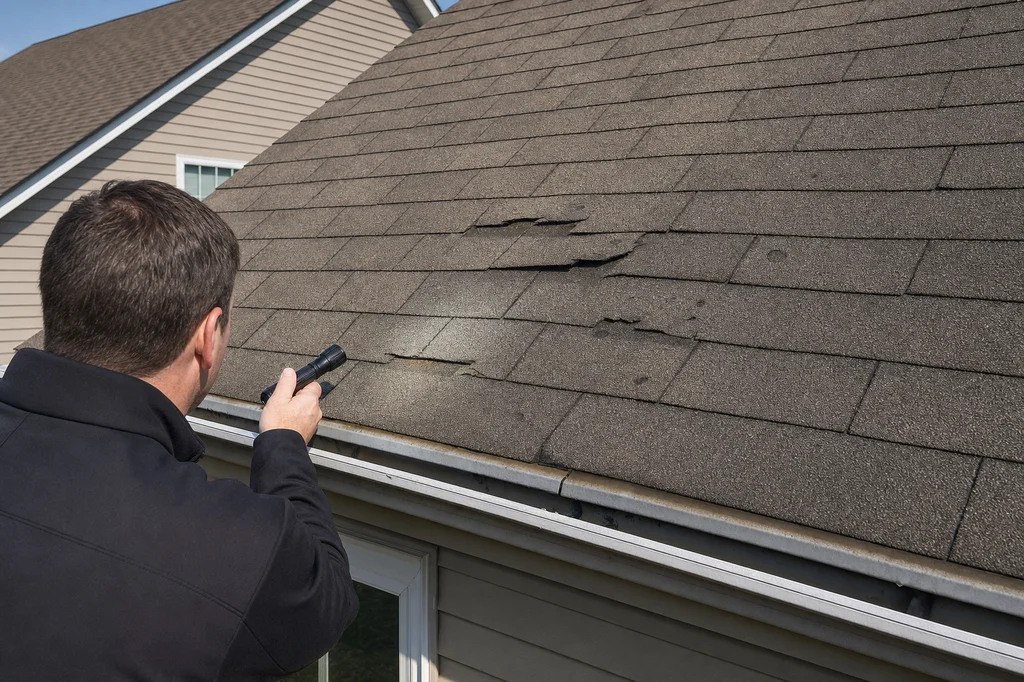
In one Fort Worth matter, the initial estimate listed zeros across the board. After the homeowner requested a reinspection, State Farm recognized wind and hail damage but added only a couple hundred dollars. The homeowner still disputed whether the result accounted for the roof damage.
When you disagree with an initial outcome, you may ask for another inspection and identify the conditions you believe were missed. A second inspection can result in a revised estimate, as it did in that Fort Worth matter, but it does not guarantee payment or resolve every disputed item.
Make notes while the inspection is fresh
Write down what happens at the property rather than relying on a later recollection.
- Record who comes to the house.
- Note the date and time of the inspection.
- Write down what you observed during the visit.
- Record comments the adjuster makes while inspecting.
Contemporaneous notes can preserve who was present, which areas were discussed, and what was said. Do not climb onto the roof yourself to gather information.
Keep the roofer’s role focused on roof conditions
A roofer may document observed roof conditions and, where appropriate, provide an estimate. That information can give the homeowner a description of work the roofer believes is needed alongside the insurer’s estimate.
In Texas, a contractor or roofer cannot act as a public adjuster. A roofer should not promise a claim outcome or act as the homeowner’s legal representative. Rules can differ by state. If the dispute turns on policy interpretation or legal action, consult a qualified insurance attorney, public adjuster, or other licensed professional as appropriate in your state.
The practical value of the record is its detail: the claim outcome, the disputed conditions, the people present, and the words used during the inspection. Preserve the initial and any revised estimate with those notes.
Directorii lists verified contractors.
Source: Chad Wilson interview
FAQ
What is the difference between a denial and an under-deductible estimate?
A denial means the insurer does not pay the claim. An under-deductible estimate means the insurer assigned a value to damage but placed it below the policy deductible, which can also result in no payment.
Can I ask for another roof inspection after a zero-dollar result?
You may ask for another inspection when you dispute the initial result. Identify the conditions you believe were missed and keep a record of the request. A reinspection may lead to a revised estimate, but it does not guarantee payment.
What should I document during a roof inspection?
Write down who came to the property, the date and time, what you observed, and comments the adjuster made during the visit. Notes made while details are fresh can preserve what occurred if there is later disagreement.
Can a roofer help document a disputed roof claim?
A roofer may document observed roof conditions and, where appropriate, provide an estimate. In Texas, contractors and roofers cannot act as public adjusters. State rules can differ, and a roofer should not promise a claim result or provide legal representation.
What if a reinspection adds only a small amount?
The Fort Worth matter described here shows that a reinspection can recognize some wind and hail damage without resolving the larger disagreement. Keep the revised estimate with your inspection notes and any roofing documentation. Seek qualified state-specific advice if the dispute concerns policy interpretation or legal options.