A State Farm deadline for recoverable depreciation can affect a roof claim approved after a long dispute. Before you authorize a delayed replacement, identify the date of loss, read the policy’s payment conditions, and get written confirmation of the amount State Farm will still release after the work is complete.
Why a delayed approval can still leave money unrecoverable
Recoverable depreciation is the portion of a covered loss that an insurer withholds until repairs or replacement are completed. The key risk is that the deadline for completing work may run from the storm’s date of loss rather than from the date an insurer later approves a full replacement.
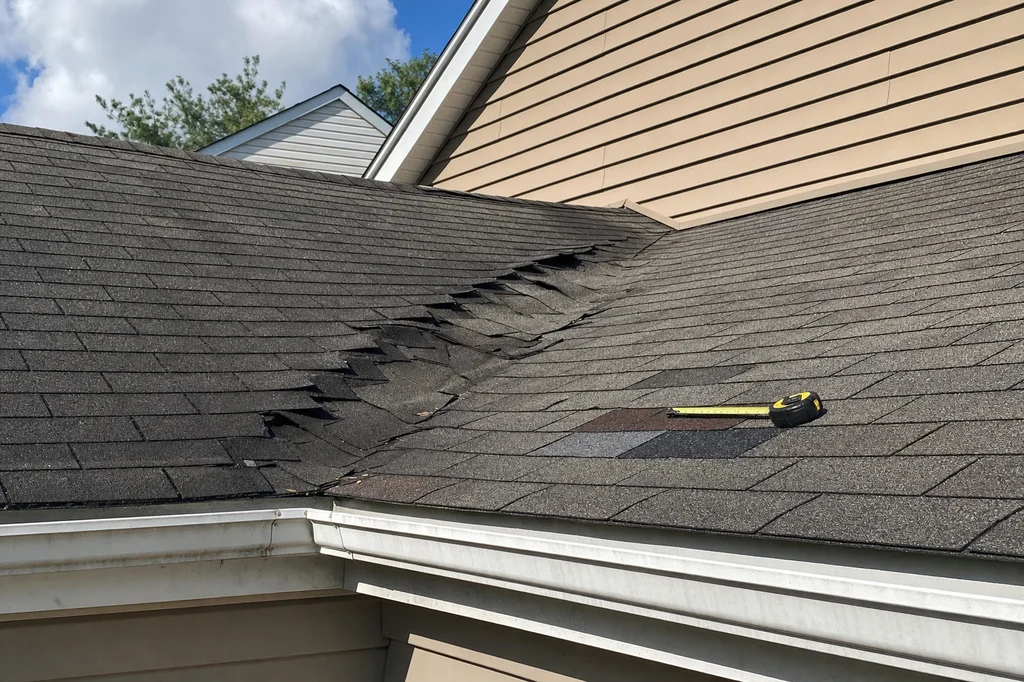
One case involved homeowner Venat, whose wind-damaged roof was initially scoped by State Farm as a repair of 38 shingles, below the deductible. After years of dispute work, State Farm agreed in 2024 that the roof needed full replacement. Roofer David Garner completed the work, but the payment dispute centered on a policy condition requiring work within two years. Garner reported a $12,000 loss and chose not to pursue the homeowner.
That outcome does not establish how every State Farm claim or policy will be handled. Policies, endorsements, claim facts, and state rules vary. It does show why an approval letter alone is not enough. You need to know whether the insurer will issue the withheld amount after the roof is installed.
Check these dates before signing off on a delayed replacement
Put the claim timeline on one page before you schedule the project. A claim that began as a repair and later became a replacement can have more than one important date, but your policy language controls which date governs payment.
- Date of loss: Record the storm date used on the claim. This may be the starting point for a recoverable-depreciation condition.
- Initial claim decision: Save the original estimate, denial, or repair-only determination. It helps explain how the claim developed.
- Replacement approval date: Keep the revised estimate and any supplement decision showing that a replacement was approved.
- Policy completion condition: Find the exact language on recoverable depreciation, actual cash value, replacement cost, and completion of work. Do not rely on a verbal summary.
- Final invoice and completion documentation: Ask what documents the carrier needs before it will consider releasing any remaining funds.
A public adjuster involved in the account said many policies use a one- or two-year timeline for recoverable depreciation and described two years as typical for State Farm in many states where he works. Treat that as a prompt to read your own policy, not as a deadline that automatically applies to you.
Get a written answer about the payment still due
If work may finish after the policy’s stated deadline, ask the carrier a narrow question before authorizing construction: if the roof is completed on a stated date, what payment remains due under this claim? Request the answer in writing.
This step matters because some adjusters may consider an exception when there was an issue with the claim handling, while others may apply the policy condition as written. A phone call can start the conversation, but it does not give you a reliable record of what the carrier agreed to pay.
Your written request should identify the claim number, date of loss, approved replacement estimate, current recoverable-depreciation amount, and planned completion date. Ask whether the carrier will release that amount after it receives the final invoice and completion documents. If the answer is unclear, ask the insurer to identify the policy provision it is applying. For policy interpretation, appraisal, or dispute options, consider consulting a licensed public adjuster or an attorney who handles insurance matters in your state.
Do not confuse a roof contract with the insurance claim
The insurance claim is made under your policy, while the roofer’s right to payment depends on the contract you signed. A paid-in-full retail contract and an insurance-proceeds contract can lead to very different questions if an insurer sends money after the roof is complete.
A second case involved homeowner Max Setter White, who paid $23,000 out of pocket after an insurance denial. Weeks later, he received a $9,000 insurance check. The contractor reportedly sought part of that payment despite the homeowner having already paid the retail contract amount in full. The account stated that lawyers who reviewed the contract found the homeowner had paid in full.
The lesson is not that every later insurance payment belongs to the homeowner. Contract wording matters. A contract may state a fixed retail price, tie payment to insurance proceeds, or contain other payment terms. Read the signed agreement and any change orders before agreeing to send an insurer’s later payment to anyone else. If the document is ambiguous or the demand is disputed, get independent legal advice rather than relying on the roofer or insurer to interpret the contract for you.
What to settle with your roofer before work starts
Clear paperwork protects both sides when insurance approval arrives late. The most expensive mistake is authorizing a roof while the payment source, remaining claim funds, and contract balance are still uncertain.
- Match the scope to the contract. Make sure the approved estimate, contractor scope, and any homeowner-paid upgrades are separated clearly.
- State the agreed contract price. Identify whether it is a fixed retail amount or an amount connected to insurance proceeds.
- Address withheld depreciation directly. If recoverable depreciation is expected, state whether it is part of the contractor’s compensation and what happens if the carrier does not release it.
- Document changes before installation. Put supplements, additional work, and material upgrades in writing before they become a payment dispute.
- Keep payment records. Save invoices, receipts, insurer estimates, checks, and correspondence in the same claim file.
Do not sign language you do not understand simply because the claim is moving again. A contractor can explain its scope and price, but an independent insurance or legal professional is better positioned to advise you on coverage and contract interpretation.
For the construction side of a claim-related roof replacement, Directorii lists verified contractors.
When a delayed claim needs outside help
Bring in qualified help when the carrier’s written payment position does not match the approved scope, the completion deadline is close, or a contractor is demanding funds not clearly addressed in your agreement. The right help depends on the issue.
A licensed public adjuster may assist with claim communications and documentation where permitted. An attorney can advise on policy and contract disputes. Your state insurance department can explain its complaint process, though it is not a substitute for legal advice. Confirm any deadline, appraisal provision, or suit-related policy term with a licensed professional in your state before assuming it applies to your claim.
Source: Two Roofing Lessons: $12K Lost to Delays & Why Insurance Prices Differ
FAQ
What is recoverable depreciation on a State Farm roof claim?
Recoverable depreciation is money withheld from a covered claim until the repair or replacement work is completed. Whether it applies, how much is withheld, and what documents are needed depend on your policy and claim estimate. Read the replacement-cost provisions and ask State Farm for the remaining amount in writing.
Does a State Farm recoverable-depreciation deadline start at roof approval?
It may not start at roof approval, because the case described a policy condition tied to the date of loss. A public adjuster said State Farm policies may use a two-year completion period in many states, but your policy language, endorsement, and claim facts determine the deadline that applies.
What should I ask State Farm before replacing a roof after a long delay?
Ask whether the insurer will release the remaining recoverable depreciation if your roof is completed on a specific date. Include the claim number, date of loss, approved replacement estimate, and planned completion date. Request a written response identifying the payment amount and any policy condition the carrier is applying.
Should I sign a roofing contract before my insurer confirms the remaining payment?
You can sign only after understanding the price and payment terms, but do not assume a later approval guarantees all withheld funds. Confirm whether the contract is a fixed retail price or tied to insurance proceeds. If the claim is delayed, resolve how unreleased depreciation would affect payment before construction begins.
Can a roofer demand an insurance check after I paid the contract in full?
That depends on the signed contract and any change orders, not simply on the roofer learning that an insurer sent a later payment. One retail-contract dispute involved a homeowner who had paid in full before receiving a surprise insurance check. If the agreement is unclear, seek independent legal advice.