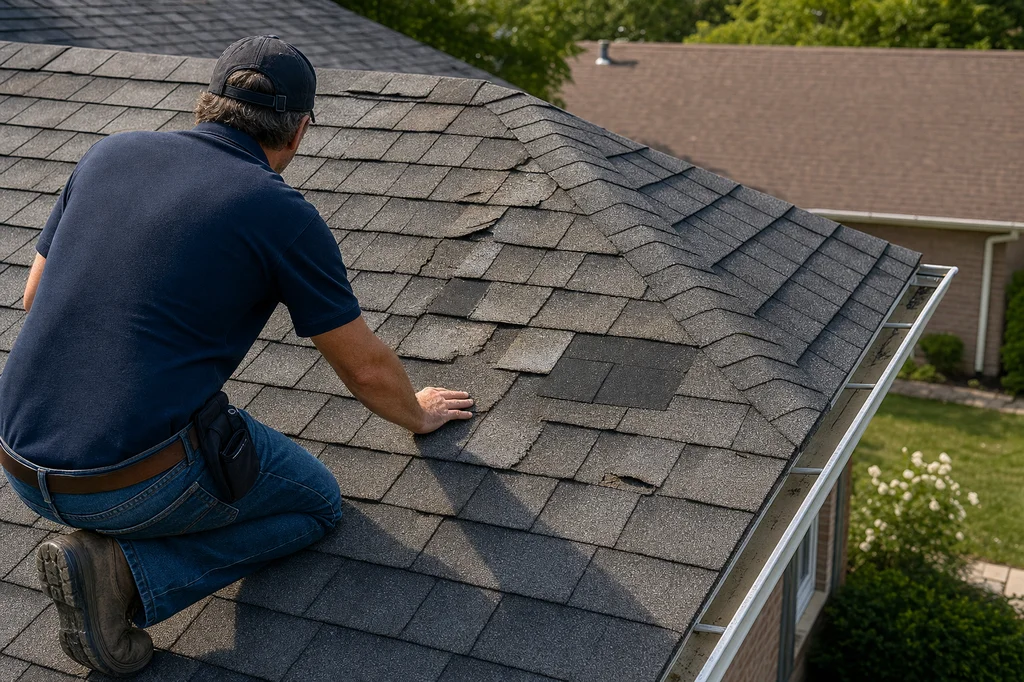
Before financing rooftop solar, ask for the lender or dealer fee to be disclosed in the contract and arrange an aging-roof audit so panels are not installed over a roof nearing replacement.
Why a low-rate solar loan can carry a large upfront charge
A solar loan may include a lender or dealer fee paid by the contractor to obtain a particular financing product. The fee can be associated with offers that feature a longer term or lower interest rate, so the advertised rate alone does not tell you the complete cost of financing.
One solar provider said fees in its market can fall between 25% and 35%, depending on the lender and loan product. That is a reported business experience, not a universal solar-loan standard. Fees, loan terms, and disclosures can differ by lender, installer, and contract.
For you, the key issue is simple: a payment that looks manageable is not the same as a transparent comparison of financing options. A loan can still fit your budget, but you should know what is built into the financed project price before you accept it.
What to get in writing before financing rooftop solar
Request the financing information before you sign the installation agreement, not after the sales presentation. You need enough detail to compare the proposed loan with another financing option.
- Total contract price: This is the starting point for understanding what you are financing.
- Lender name and loan term: Know who is providing the financing and how long the repayment obligation lasts.
- Interest rate and monthly payment: These figures affect affordability, but they should not be the only comparison points.
- Dealer or lender fee disclosure: Ask whether a fee is charged to the installer and whether it affects your contract price or financed amount.
Use direct wording: “Is there a dealer fee or lender fee connected to this loan, and where is it shown in my contract?” If the representative cannot give you a clear written answer, pause the transaction and compare another financing offer. Questions about applicable lending disclosures or a particular contract can go to the lender, a qualified consumer-law attorney, or a consumer-protection agency.
Do not finance panels over a roof nearing replacement
Installing solar over a roof near the end of its service life can leave you paying to remove and reinstall panels when the roof needs replacement. The roof decision should come before the solar decision because panels depend on the roof assembly below them.
One solar company required a roof audit on roofs that were eight years old or older and conducted a site survey on every project to confirm panel layout and measurements. That was the company’s practice, not a universal age threshold. Roof condition depends on its materials, prior repairs, ventilation, weather exposure, installation quality, and existing damage.
The homeowner takeaway is not that every roof of a certain age needs replacement. It is that a solar salesperson’s reassurance that the roof is “fine” should not substitute for a roof evaluation when the roof has visible wear, prior leak history, or uncertain remaining life.
What a roofing evaluation should settle before solar work starts
A qualified roofer can help you decide whether the existing roof is a reasonable platform for solar or whether replacement should happen first. The goal is to avoid coordinating a roofing project after equipment is already mounted above it.
Ask for a written assessment that addresses the roof areas planned for panels and the areas around them. You want the roofer to identify current concerns, explain whether repairs are practical, and state whether the roof’s condition supports a solar installation. If replacement is recommended, address the roofing scope before solar installation begins.
This check matters because future roof work may involve panel removal and reinstallation, adding scheduling, coordination, and cost issues that would not exist if roofing is completed first. Confirm which company is responsible for its own work and how the projects will be sequenced.
When a solar sale deserves a pause
Pause before signing if the financing details are vague or the roof assessment is based only on a quick visual assurance. These are separate decisions, but both can make an otherwise promising solar project harder to manage.
- The representative emphasizes a monthly payment but will not provide a clear financing breakdown.
- The lender or dealer fee is described vaguely, omitted from paperwork, or treated as a question you should not ask.
- You are encouraged to install panels despite known roof leaks, worn areas, or a pending roofing decision.
- You expect to move soon and have not considered whether a long-term solar investment fits that plan.
Solar financing can broaden access for homeowners who do not want to pay the full project cost upfront. It works best when you compare the financing terms and fee disclosure, rather than focusing only on the rate or payment, and when the roof has been evaluated for the work it will carry.
Who should coordinate the roof and solar scopes?
Use a solar installer for system design and a qualified roofer for an independent judgment about roof condition. Each written scope should make clear which company handles its own work and how the two projects will be sequenced.
Choosing the wrong company can become expensive when financing has already begun and the roof then requires major work. Directorii lists verified contractors.
Keep copies of the solar proposal, loan documents, roof evaluation, and final scopes. Those records make it easier to compare offers before work starts and clarify who is responsible for each part of the project.
Source: The Dark Side of Financing Solar Panels & Roofing
FAQ
What are dealer fees on solar loans?
Dealer fees are charges that may be paid by a solar contractor to obtain a financing product from a lender. They can be associated with lower-interest or longer-term offers and may affect the project price or amount financed. Request a written explanation of whether a fee exists, who pays it, and how it affects your agreement.
Should a solar installer disclose the lender or dealer fee?
Ask for clear written disclosure of any lender or dealer fee connected to your financing offer. A solar provider in the source described disclosing its bank fee in its contract, but practices can vary. If the explanation is unclear, compare another financing offer and seek qualified guidance about a specific contract.
Can I compare solar loans by monthly payment alone?
No. A monthly payment alone does not show whether a dealer or lender fee is built into the financed project price. Compare the interest rate, term, contract price, and written fee disclosure before deciding.
Should I install solar panels on an older roof?
Have an older or uncertain roof evaluated before panels are installed. A roof nearing replacement may require panel removal and reinstallation later, adding coordination and expense. There is no single roof age that decides the issue, so rely on a qualified roofer’s written assessment of the roof areas planned for solar.
What should a roofer check before rooftop solar is installed?
A roofer should assess the condition of the roof areas that will support panels and identify existing concerns, repairs, or replacement needs. Ask for a written assessment that addresses whether the roof is suitable for the planned installation. The solar installer and roofer should also clearly define their separate scopes and work sequence.