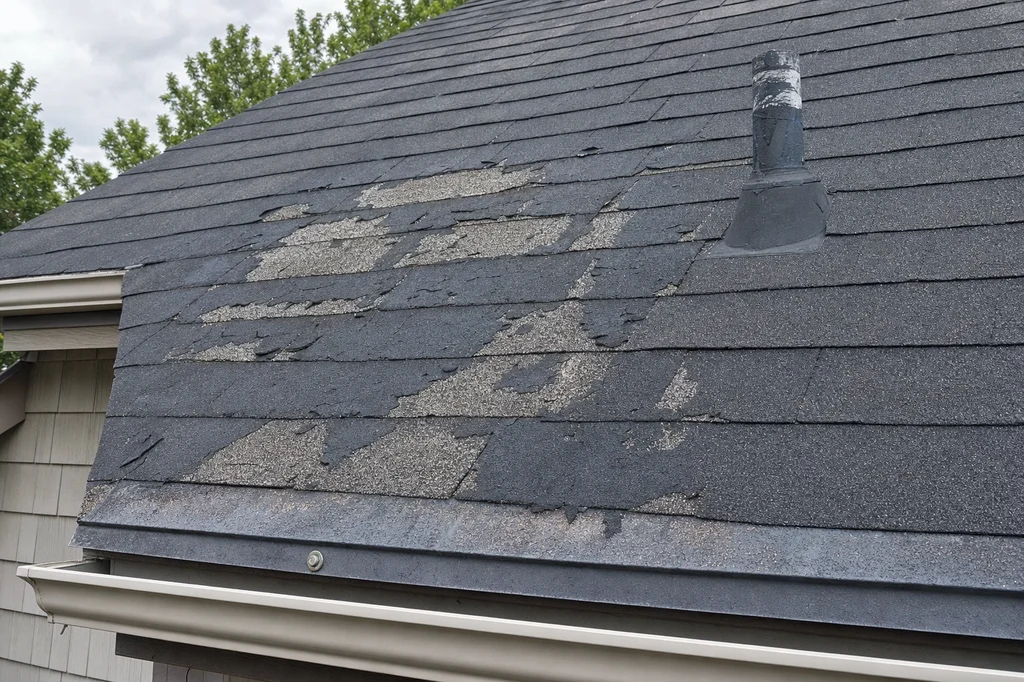
Shingle Magic Sealer roof rejuvenation is marketed as a way to restore and protect an existing asphalt-shingle roof for far longer than a typical replacement cycle. Before you pay near-reroof-level pricing, separate laboratory results from the unanswered questions about adhesion after cleaning, field conditions, and who will perform warranty repairs.
What do Shingle Magic Sealer tests actually measure?
The reported testing supports certain performance comparisons, but it does not establish that every aged roof will perform the same way after treatment. The key distinction is between tests of treated shingle samples and the variable conditions on an installed, older roof.
PRI tested treated and untreated shingles for granule loss and resistance to wind, hail, and other impact. In those tests, the treated shingles outperformed untreated shingles. Shingle Magic also presented testing that compared older treated shingles with new shingles, and ASTM standards are widely recognized in roofing.
That is meaningful evidence for the specific properties tested. It is not a complete forecast of how a coating will adhere to your roof after cleaning, weather exposure, tree cover, airborne pollution, past repairs, and the other conditions unique to an older installation.
PRI described roof sealers as a newer product category without a prescribed ASTM testing path tailored to this type of treatment. The water-absorption comparison listed for the product was a proprietary test, not an ASTM standard. Lower water retention was measured, but the testing discussion did not establish what that result means for long-term roof performance.
Why soft-wash preparation deserves close attention
Cleaning can be central to a coating job, yet the reported tests did not include the same soft-wash preparation used in the field. That leaves an important gap if adhesion is part of your buying decision.
A former Shingle Magic dealer, Raymond Muldrew, described a process that included identifying roof issues, arranging repairs, soft washing, and then applying the sealer. He later reported leaks on roofs his business had treated and said that, on one roof, the coating could be rubbed or peeled from shingles in multiple areas. He also reported that testing of removed shingles attributed the issue to cleaning-related contamination.
Muldrew then described his own comparison in which shingles exposed to the same cleaning chemical and treated with sealer did not show the reported adhesion problem. That is a dealer's account and informal follow-up, not a manufacturer specification or a controlled field study. It does show why a simple claim that cleaning caused a failure should not end your review.
PRI did not specifically test Shingle Magic Sealer adhesion or soft wash shingles before applying the product for the reported tests. The application shown in one test video appeared to use a brush, while dealers were taught to spray the product. PRI indicated that manufacturers direct the application method and amount used in testing, but the reports did not list those details.
How the price changes the roof-rejuvenation decision
Shingle Magic Sealer was presented at roughly four dollars per square foot, which puts it close to the stated cost of a new asphalt-shingle roof. At that price, this is not a low-cost stopgap decision; it should be compared against a replacement scope with equal care.
Marketing for the product claimed restoration of almost any roof for up to 30 years. The same marketing compared that with a new asphalt-shingle roof costing between 4.25 and 8.25 dollars per square foot and lasting 15 to 20 years on average. Those figures are claims and comparisons, not a price quote for your house.
For a homeowner, the practical issue is what happens if the treatment does not adhere, a leak appears, or roof repairs become necessary soon afterward. A lower upfront replacement price is not the only comparison. You also need to compare the condition of the existing roof, the scope of any needed repairs, the treatment warranty, and the cost and responsibility for corrective work.
- Get a replacement proposal beside the treatment proposal. Compare what each option includes, not just the headline price.
- Identify existing defects before treatment. Missing shingles, previous leaks, vulnerable penetrations, and damaged areas can change whether restoration is sensible.
- Request the preparation scope in writing. It should state how the roof will be cleaned and what happens if the surface is not suitable for coating.
- Read the warranty as a repair plan. Focus on who diagnoses a problem, supplies labor and materials, and decides whether repair or replacement is needed.
What a written warranty should answer before you sign
A long warranty has value only if the responsible party and remedy are clear. Do not rely on a sales statement that a product is backed by labor and materials without seeing the actual terms.
In a training webinar from 2021, Frank Carman described a 10-year labor-and-material warranty and said the company would pay a dealer to fix a manufacturing defect. Muldrew reported that he paid for repairs and full roof replacements after reported failures because he believed the manufacturer would not honor the warranty. Carman and Dominic Camenata did not respond to requests for comment.
That account does not prove the outcome of every claim or establish responsibility in your contract. It does make written warranty responsibility essential when the treatment costs close to a reroof.
Questions to put in the proposal
- What roof conditions make this treatment unsuitable?
- What exact cleaning and rinsing process will be used before application?
- Has the proposed preparation process been evaluated for adhesion on aged shingles?
- Who is the warranty provider: the product company, the installer, or both?
- If a leak or adhesion concern develops, who pays for diagnosis, temporary protection, repairs, and replacement if repairs do not resolve it?
- Will the warranty terms and exclusions be attached to the signed contract?
When a roofer should evaluate the roof instead
A roof with active leaks, lifted shingles, or uncertain condition needs a professional evaluation before any rejuvenation product is considered. A coating cannot replace a clear diagnosis of why water is entering the home.
The former dealer's account involved leaks that appeared in the field of the roof rather than only at commonly vulnerable areas such as chimneys, pipe boots, eaves, or overflowing gutters. The cause of any individual roof failure can be difficult to isolate because roofing projects have many variables. That uncertainty is another reason to have a roofer document the existing condition and repair needs before approving a treatment.
Choosing the wrong provider can be expensive when the work involves an aging roof, a coating system, and a warranty that may require follow-up repairs. Directorii lists verified contractors.
Source: Roofing Rip-Off Alert: The Truth About Shingle Magic Sealer Roof Rejuvenation
FAQ
Do Shingle Magic Sealer test results prove it will last on my roof?
No, the reported results show performance in specific tests, not a guarantee of field performance on every older roof. PRI tested properties such as granule loss and impact resistance, but did not specifically test adhesion after soft-wash preparation. Your roof's condition, cleaning process, weather exposure, and prior repairs can matter.
Should I compare Shingle Magic Sealer with a full roof replacement?
Yes, compare both options side by side because the stated treatment price was roughly four dollars per square foot, close to the stated range for a new asphalt-shingle roof. Compare included repairs, preparation, expected work scope, warranty terms, and the responsibility for correcting a later leak or adhesion problem.
Can soft washing affect a roof sealer's adhesion?
It may, which is why the cleaning process should be part of your review. A former dealer reported adhesion concerns after soft washing, while the reported PRI testing did not soft wash shingles before application. The available information does not establish a single cause, so request a written preparation process and suitability assessment.
What should the Shingle Magic Sealer warranty say about leaks?
It should clearly identify who provides the warranty and who is responsible for labor, materials, diagnosis, repairs, and any replacement work. A 2021 webinar described a 10-year labor-and-material warranty for manufacturing defects, but the actual written warranty and your signed contract control the obligations for your project.
When should I avoid roof rejuvenation and get a roofing evaluation?
Get a roofer's evaluation first if your roof has active leaks, lifted shingles, missing shingles, or uncertain prior repairs. A coating treatment should not substitute for identifying the source of water entry or documenting existing defects. The evaluation can help determine whether repair, treatment, or replacement is the more suitable path.