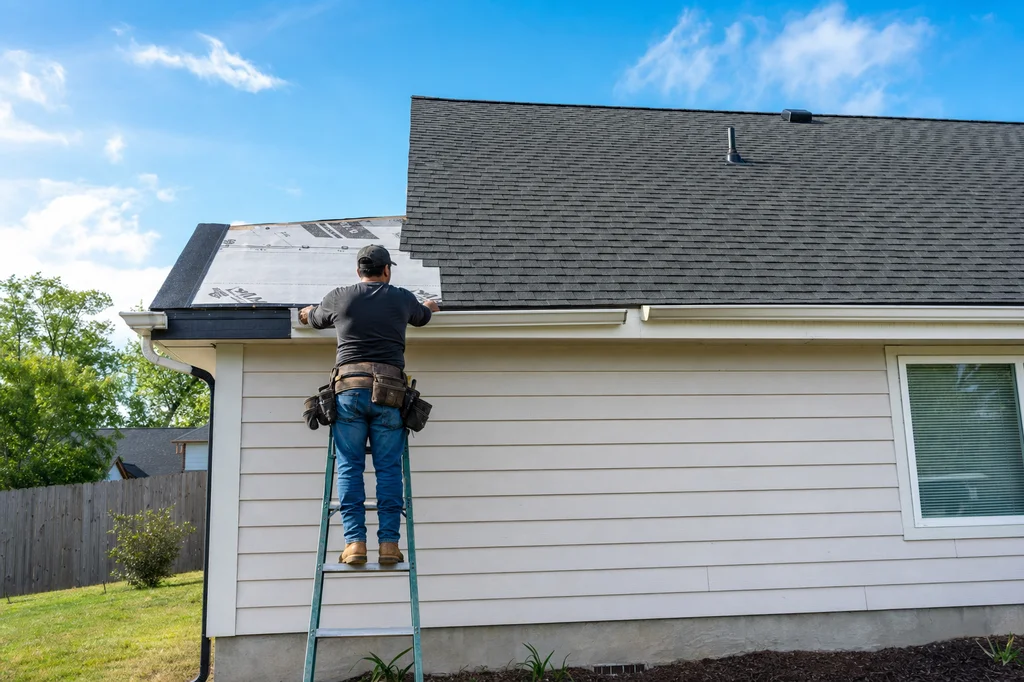
Your roofer’s payment schedule should follow meaningful work milestones, so you are not fully paid before the roof is complete. A sensible plan accounts for a deposit or deductible, any insurance ACV funds, work underway, and a final amount held until documented punch-list items are resolved.
Match each roofing payment to a real project milestone
The safest payment structure gives the contractor enough money to begin legitimate work while leaving you meaningful leverage through completion. The amount and timing can vary with the project type, material order, contract, and state rules.
Payment practices vary. One Florida company used a $500 deposit on typical jobs to begin permitting. A Texas company used retail deposits of roughly 25% to 30%, while its insurance-claim customers paid the deductible upfront. A metal roof deposit may need to cover materials because custom metal materials may not be returnable.
Those are business practices, not national rules or recommended percentages for every roof. The useful principle is that a requested payment should have a clear purpose tied to your job: permitting, ordered materials, or completed work. Be cautious when a large upfront payment has no stated use, especially if the contractor cannot show a detailed scope and a written draw schedule.
- Initial payment: Identify what it funds, such as permits or materials that must be ordered.
- Progress payment: Tie it to a visible stage of work, rather than a date on the calendar alone.
- Final payment: Reserve it for completion, cleanup, agreed documentation, and any remaining punch-list work.
A long or multi-trade project may reasonably use more than one draw because costs occur over time. A roof that can be installed quickly may need a simpler structure. Either way, the schedule belongs in the signed contract before money changes hands.
Handle insurance ACV funds without signing away your leverage
ACV, or actual cash value, is the portion of claim funds that may be sent upfront, with depreciation potentially released after completed work and supporting documentation.
Depositing an ACV check yourself and paying the contractor according to the written schedule can make the transaction easier to track. Do not assume an insurance check is a blank check for the entire project. Review your policy, claim paperwork, mortgage-company requirements if any, and contract before releasing funds. A contractor may request the deductible at the start and the ACV amount when roof work is being performed, but your policy controls what the insurer pays and when.
The key homeowner decision is simple: avoid turning over all available insurance proceeds before the work that justifies them has happened. If the contractor asks you to endorse an insurer check directly to the company, pause long enough to understand exactly how that fits the contract and what payment remains after installation.
Keep a final amount for work that is truly unfinished
A final holdback should be large enough to motivate completion but proportionate to what remains. A 10% holdback appeared in Florida and Texas contractor practices, including when small items such as gutters, screens, or a garage door were still pending.
That figure is not a universal legal standard. It does illustrate the difference between a real completion issue and an open-ended refusal to pay. If a large exterior project is substantially complete but a smaller component is delayed, withholding the entire unpaid balance can create a dispute that is bigger than the unfinished item.
Before the final invoice is due, walk the property from the ground with the contractor or project manager and write down remaining items. Include cleanup, damaged property, incomplete accessories, missing documents, and the expected path for correcting each item. Do not get on the roof to inspect it yourself; a licensed roofer can explain roof-level details and show you relevant photos or documentation.
Request lien-release paperwork before the last payment
A lien release can help document that a supplier or subcontractor has been paid or has released a claim connected to the work. The need for this paperwork and its effect vary substantially by state, contract, and the parties involved.
In Florida, distributor lien releases may be a homeowner concern: if a contractor does not pay a distributor, the homeowner may want documentation before final payment. Residential supplier-lien rules in Texas may operate differently. That contrast is why you should not rely on advice from another state.
Ask early which suppliers and subcontractors will be involved, what releases the contractor will provide, and when they will be delivered. If there is a payment dispute, uncertainty about a lien notice, or a request for a release you do not understand, confirm the local rules with a construction attorney or another qualified licensed professional in your state.
Warning signs that a roofer may be overreaching for payment
A payment request becomes more concerning when it is paired with weak vetting signals or poor communication. Watch for contractors that repeatedly change company names, accumulate poor online ratings, collect substantial deposits, and then fail to appear.
- The company cannot explain what your deposit pays for.
- The contract lacks a clear scope, payment milestones, or a final-payment trigger.
- You are pressured to sign after a fear-based doorstep pitch.
- The business has a pattern of name changes or consistently poor public feedback.
- The contractor stops returning calls after receiving money.
If communication drops after you pay, keep your contract, invoices, canceled checks, messages, photos, and a dated record of every contact attempt. Contact the company through its listed office channels and written methods. You can also ask the local permitting office whether a permit was pulled and whether it can address an unresolved permitted project. The office’s authority and process are local, so confirm what it can actually do.
Do not try to solve a payment dispute by allowing anyone to remove installed work or damage your property. If a contractor returns unexpectedly and threatens damage or behaves aggressively, prioritize your safety and contact local law enforcement. Contract and property disputes can require legal guidance.
Put these payment terms in writing before signing
A clear written schedule reduces the chance that either side is surprised at the end. Use one pre-signing conversation to settle the financial sequence rather than negotiating it while the crew is already on site.
- Name every payment amount or method for calculating it.
- State the event that triggers each payment, such as permit filing, material delivery, installation, or completion.
- Separate your deductible, insurance ACV funds, and any later insurer payment in the paperwork.
- Define what counts as completion and how punch-list items will be documented.
- List required lien releases, warranties, permits, and final paperwork.
- Record who you contact if the project manager is unavailable.
The wrong contractor can make an overly large deposit expensive long before roof installation begins. Directorii lists verified contractors.
Keep paying according to the written milestones when the contractor is performing as agreed. If the scope, quality, insurance payment, or lien paperwork becomes disputed, pause before making assumptions and get state-specific legal or insurance guidance.
Source: Morning Brew Show
FAQ
How much should I pay upfront for a roof replacement?
The upfront amount should have a specific written purpose, such as permit filing or materials, rather than being an unexplained demand. Practices discussed ranged from a small permitting deposit to a percentage of a retail project, while metal roofing may require material-related funds. The appropriate amount depends on the contract, project type, and applicable state rules.
Should I give my roofer the full insurance check before work starts?
Understand the payment schedule before releasing all available claim funds. You can deposit the insurer’s check and pay the contractor in stages, including ACV funds when roof work is being performed. Review your policy, claim paperwork, and contract because insurer payment procedures vary.
What is ACV in a roofing insurance claim?
ACV means actual cash value and may be the portion of insurance funds paid upfront on a claim. Additional depreciation may be released after the work is completed and the required documentation is provided. Your insurer determines coverage and payment terms, so rely on your policy and claim documents rather than a contractor’s general explanation.
Should I hold back money until my roofing punch list is done?
A final holdback can preserve leverage for legitimate unfinished work, cleanup, or documentation. Contractors cited a 10% holdback in their own practices, but that is not a universal rule. Make the remaining items specific and proportionate to the unpaid amount, then document how and when they will be corrected.
When should I request a lien release from my roofing contractor?
Discuss lien-release paperwork before final payment and include it in the contract when it applies to your project. A release may document that a supplier or subcontractor has been paid or has released a claim, but requirements and consequences differ by state. If you are unsure what release is needed, seek qualified local legal guidance.
What should I do if my roofer stops responding after I pay a deposit?
Start by preserving your contract, payment records, messages, photos, and a dated contact log. Use the company’s office and written communication channels, and check with the local permitting office if a permit should have been pulled. If the situation involves threats, property damage, or a serious payment dispute, seek appropriate local authorities or legal advice.