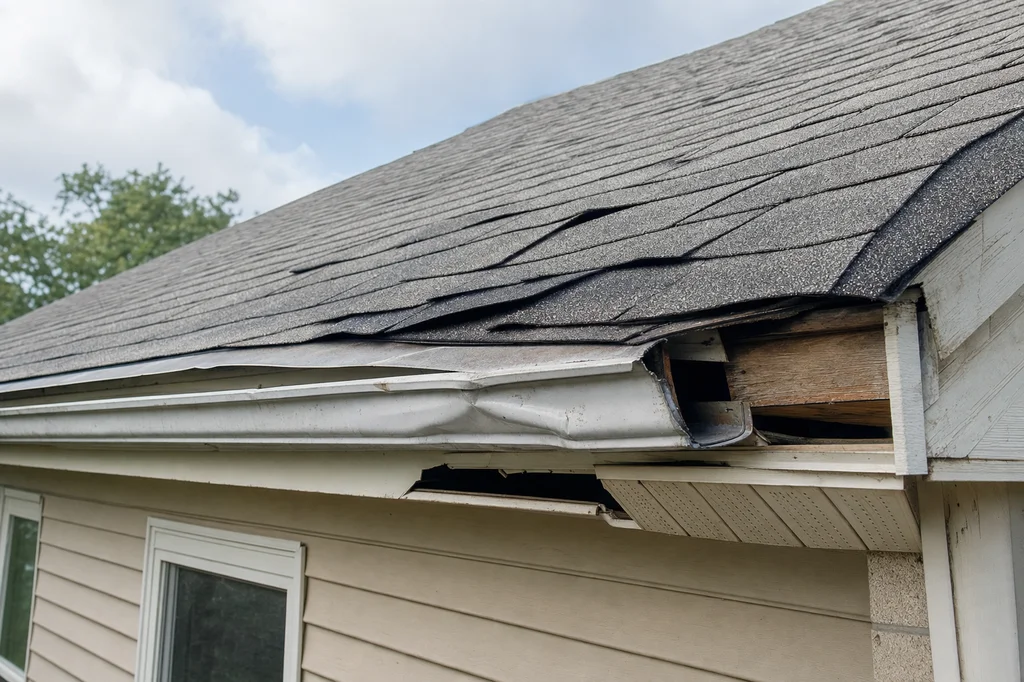
Whether you should show your roofer the insurance estimate depends on the contractor’s insurance-claim experience. The document can help a qualified contractor compare the approved scope with storm damage, identify items that may be missing, and account for paid work such as gutters, soffits, or other repairs beyond the roof.
What the claim scope can reveal beyond the roof
An insurance estimate is more than a roof price. It is an itemized scope that may list removal, materials, repair work, and related exterior components affected by the same event.
That matters because a roofing contractor may focus only on shingles while the insurance scope includes gutters, soffits, deck work, or other storm-related repairs. If those items are included in the approved scope but no one plans to complete them, your property may not receive all of the restoration work contemplated by the claim.
Read the scope as a work list, not as a bonus payment. Match each line item to one of three outcomes: work the roofing company will perform, work another qualified trade will perform, or work you plan to handle yourself. If you intend to take on a listed item yourself, confirm how it will be handled under your claim before making decisions.
- Roofing items: Confirm what roof removal, materials, and related work are listed.
- Exterior items: Check for gutters, soffits, and other components that may need a separate specialist.
- Unfinished items: Do not assume a roofer’s lower proposal includes every repair the insurer priced.
- Possible omissions: A contractor experienced with claims may identify damage or work that was not initially included and support a supplement request with documentation.
Why the lowest roofing bid can leave work out
A low bid is not automatically a bad bid, but it can signal that the contractor is pricing only a narrow portion of the job. On a claim project, the key comparison is not simply one total against another. It is whether each proposal covers the same scope of work.
For example, a contractor may offer to replace the roof while omitting gutters, soffits, or other work already listed in the insurance estimate. That does not necessarily mean the roofer is acting improperly; they may not perform those trades or may not understand the claim scope. But you need a clear plan for every listed repair before signing a contract.
Do not select a contractor solely because their number is below the insurer’s estimate. Avoid any arrangement that involves inaccurate invoices or paperwork.
Screen for claim-scope experience before sharing paperwork
The useful distinction is between a contractor who routinely handles insurance restoration scopes and one who mainly prices retail roofing jobs. A retail roofer may be capable of installing a roof but may not know how to review an adjuster’s line items, document omitted damage, or prepare a supplement.
“Supplement” generally means a request for additional claim consideration when documented work was missed or changes are needed. It is not a promise of additional payment. The insurer decides what it will approve.
Before you hand over the full estimate, evaluate whether the contractor can explain their process in plain language. Review their written proposal closely. It should identify what they will perform and, just as importantly, what they will not perform.
Questions that test whether a roofer can manage the scope
- Do you regularly work from insurance restoration scopes, or do you primarily provide retail estimates?
- How do you compare your proposal with the insurer’s line items?
- What documentation do you use if you believe a repair item was missed?
- Who prepares supplement information, and what role will I have in communicating with my insurer?
- Which listed items will your company complete, and which need another trade?
- Can you give me a written scope that separates included work from excluded work?
A strong answer is specific. You should hear how the company reviews the scope, documents differences, and communicates them—not a vague promise to “take care of everything.”
Share the full estimate once the scope process is clear
Once you are comfortable that the contractor understands insurance restoration work, sharing the estimate can prevent avoidable gaps. It lets them compare the insurer’s scope with the property’s condition and build a proposal around the full restoration plan.
Keep copies of the estimate, claim correspondence, contractor proposal, and any revised scope. Then make sure the written contract states the actual work to be done. If a roofer will only perform the roofing portion, that can still be workable—but identify who will handle the gutters, soffits, and any other approved repairs before work begins.
Your contractor can provide repair documentation and explain construction needs, but they do not determine coverage. Keep final claim questions with your insurer.
Choosing a contractor who cannot read the scope can get expensive when paid repairs are overlooked or incomplete. Directorii lists verified contractors.
Use the estimate to organize the job, not to surrender control
You do not need to become a claims expert, but you should remain the decision-maker. Give a qualified roofer enough information to evaluate the complete scope, while requiring a written explanation of what they will do and what remains outside their contract.
The practical goal is simple: the contractor’s work plan should match the repairs you intend to complete, rather than stopping at the most obvious roof work. That protects you from discovering later that gutters, soffits, or another paid item were never assigned to anyone.
Source: Should you show insurance estimate to your roofer?
FAQ
Should I give my roofer the full insurance estimate?
Yes, once you have confirmed that the roofer has real experience reviewing insurance restoration scopes and handling documented supplements. The estimate helps them compare approved items with the work needed. Before sharing it, make sure they can explain which repairs they will perform and which items require another trade.
Why would a roofer need to see my insurance scope?
The scope can show more than roofing work, including items such as gutters, soffits, or other storm repairs. A contractor who understands claim scopes can compare those line items with the property and identify work that needs to be assigned. It also helps prevent a proposal that covers only the roof while other listed repairs go unaddressed.
Can a roofer request a supplement from my insurer?
A roofer can provide documentation and prepare information supporting a supplement request when they believe necessary work was missed from the original scope. A supplement is not guaranteed, and the insurer decides coverage and approval under your policy. Keep copies of all claim documents and understand what the contractor is submitting on your behalf.
What if the roofer's bid is much lower than the insurance estimate?
Compare the scopes before treating the lower bid as savings. The roofer may be excluding gutters, soffits, removal work, or other repairs included in the insurance estimate. Ask for a written list of included and excluded work, then make a plan for every repair item. Do not use inaccurate invoices or claim paperwork.
How can I tell if a roofer understands insurance claims?
Ask how the company compares an insurer’s line items with its own proposal, documents missed work, and handles supplement information. A claim-experienced contractor should explain the process clearly and provide a written scope. A contractor who only gives a roof price may still be suitable for roofing, but may not be equipped to manage the full restoration scope.