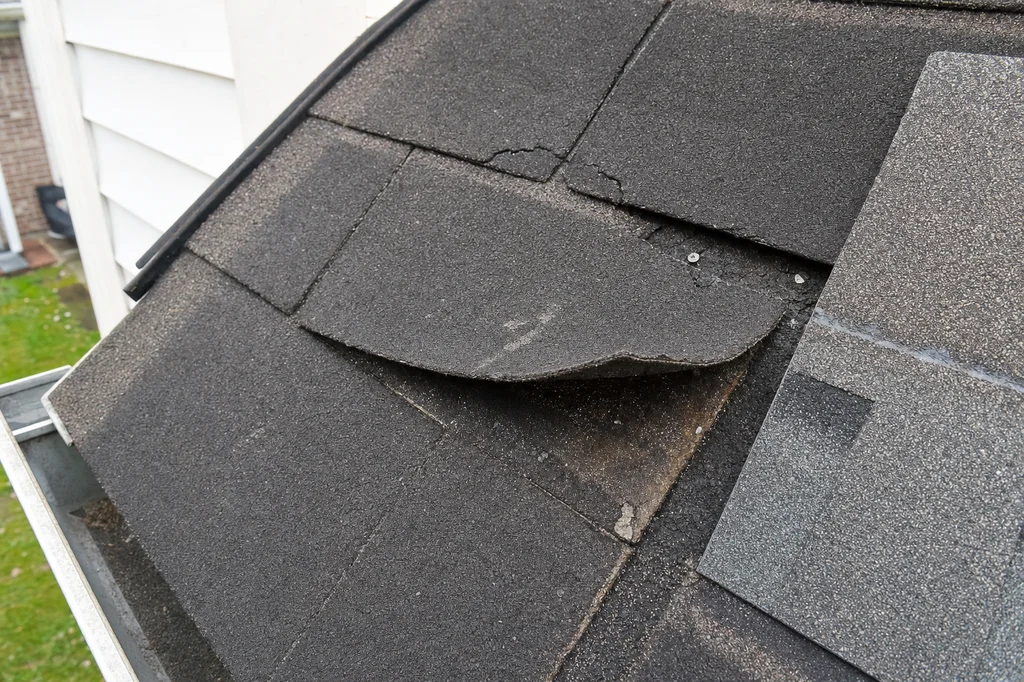
A test of roof repairability should establish whether damaged shingles can be replaced without creating additional damage, not simply assume that a patch is possible. If an adjuster proposes a patch for brittle or discontinued shingles, document the attempted repair and request the insurer’s specific basis before accepting a patch-only scope.
What a repairability dispute actually means for your roof
A repairability dispute is not only about whether a replacement shingle can be purchased. It is also about whether a trained roofing professional can remove and replace the damaged shingle while preserving the surrounding roof.
Shingles overlap and are fastened beneath adjacent courses. Replacing one damaged shingle may require lifting or disturbing shingles above and beside it to reach the fasteners. If those surrounding shingles are dry, brittle, or no longer flexible, an attempted patch can crack, tear, lose granules, or create additional damaged areas.
That distinction matters because a scope that pays for a small number of replacements may not address damage caused during a reasonable attempt to make those replacements. A repair may also be visibly mismatched if the original shingle is discontinued or its design has changed. A color difference alone does not settle a coverage decision, but it is a practical issue to put in the claim file.
When a patch-only scope relies on an unproven repairability test
A patch-only scope deserves closer review when the insurer says a repair can be completed but cannot identify how the repair will be performed without damaging adjacent shingles. The useful question is not whether someone can lift a shingle at all; it is whether the specified repair can be completed successfully on your existing roof.
One claim encounter involved an adjuster identified as being from Liberty Mutual and a black shingle roof with several damaged shingles. The roofer described the shingles as discontinued and said a newer product would not match. During an effort to demonstrate the proposed repair, an additional shingle was torn, according to the account.
That example does not establish what every insurer, adjuster, or roof will do. It does show the failure mechanism homeowners need to watch: a repair method can disturb more material than the original damage affected. If a live attempt is proposed, the resulting condition of the roof should be recorded rather than treated as an informal argument.
Document the attempted repair before the condition changes
Clear documentation gives you something more useful than a disagreement over opinions. Preserve what was proposed, what was attempted, and what happened to each affected shingle.
- Photograph the original damage. Take wide photos showing the roof area and closer images of each damaged shingle before any repair attempt begins.
- Record the repair location and sequence. Note which shingles had to be lifted or moved to reach the damaged one. This helps show whether adjacent materials had to be disturbed.
- Photograph any new cracking, tearing, or granule loss. Capture it promptly and identify whether it appeared during the attempt.
- Keep the proposed scope and correspondence. Save the estimate, adjuster communications, and any written statement describing why a patch was considered workable.
- Get a roofer’s written observations. A roofer can describe the condition of the shingles, the repair method attempted, and the damage encountered. That is more useful than a broad statement that the roof is “unrepairable.”
Do not try to lift shingles or remove fasteners yourself to prove the point. A trained roofing professional should handle work on the roof and document what occurs. Your role is to keep records and make sure the claim file reflects the actual outcome.
Request the insurer’s specific repairability basis
Ask for the basis of the patch decision in writing. A general statement that the roof is repairable does not tell you what materials, method, or condition the insurer relied on.
You can say: “Please provide the written basis for concluding this roof can be spot-repaired, including the proposed repair method and how adjacent shingles can be lifted and refastened without additional damage.”
If a repair attempt damages another shingle, ask how that new damage will be evaluated and included in the scope. Keep the request factual. Avoid signing off on a completed repair before you know whether the proposed method can work on the installed shingles.
The insurer may rely on its own estimate, inspection notes, policy language, or another professional opinion. Your roofer can provide construction observations, but a roofer is not the final authority on coverage. If the dispute continues, review your policy and consider whether a public adjuster, engineer, or attorney is appropriate for your circumstances. Insurance rules and claim options can vary by policy and state; confirm legal questions with counsel or your state insurance department.
Choose a roofer who can separate evidence from a sales pitch
A repairability dispute can become expensive when a contractor promises a full replacement before documenting why the proposed patch fails. You need evidence tied to your roof, not a blanket claim that every older roof requires replacement.
Directorii lists verified contractors.
What to keep after the claim decision
Keep the photos, roof estimate, insurer scope, correspondence, and any repair-attempt notes even after the immediate claim decision. They can help explain why a patch was accepted, declined, or found to create more damage.
Source: Roofing vandalism and insurance fraud by adjusters
FAQ
What is a roof repairability test?
A roof repairability test evaluates whether damaged shingles can be removed and replaced without harming the surrounding roof. It should consider the condition and flexibility of existing shingles, the need to access concealed fasteners, and whether adjacent shingles are damaged during the attempt. A replacement shingle being available does not by itself prove a repair will work.
Can brittle shingles be spot-repaired without damaging nearby shingles?
They may be difficult to spot-repair because replacing one shingle can require lifting and disturbing nearby shingles. If the installed shingles are dry or no longer pliable, they can crack, tear, or lose granules during that process. A trained roofing professional should assess and document the attempted repair rather than having you test the shingles yourself.
What should I request if my insurer approves only a roof patch?
Request the insurer’s written basis for concluding the roof can be repaired. Ask for the proposed repair method, the material assumptions, and how neighboring shingles can be lifted and refastened without additional damage. Keep the patch-only scope, photos, and communications together so your response addresses the actual claim decision.
What if a repair attempt damages another shingle?
Document the new damage promptly with photos and written notes identifying where it occurred and what work was being attempted. Ask the insurer how the additional damage will be evaluated in the claim scope. A roofer can provide construction observations about the attempted repair, while policy coverage questions depend on your policy and state rules.
Should I accept a patch if the original shingles are discontinued?
You should first determine whether the patch can be completed without damaging adjacent shingles and whether the proposed material is suitable for the existing roof. A discontinued shingle can create a visible mismatch if its replacement differs in color or design. Keep that concern documented, but review the insurer’s written scope and policy before deciding.