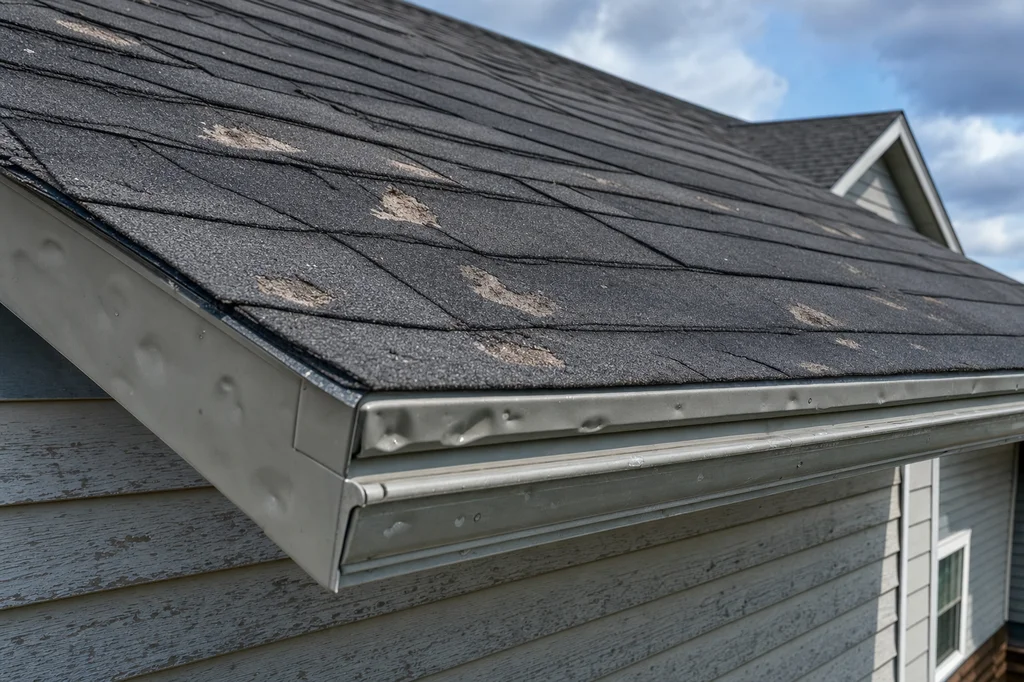
In a door-knocking hail-claim scenario, whether you should hire a public adjuster depends on whether you have a real coverage dispute, not on a sales pitch. A public adjuster can represent you on policy matters, but the contingency agreement, fee, and repair plan deserve scrutiny before you sign.
What a public adjuster can do that a roofer cannot
A public adjuster is a licensed insurance professional who works for the policyholder rather than the insurance company. Their role can include preparing, filing, and negotiating a property-damage claim.
The practical dividing line is the insurance policy. A roofer can identify visible damage, explain the work needed to repair it, prepare an estimate, and support that estimate with construction details. A public adjuster may address whether a policy covers a disputed item and communicate about policy terms. State rules can limit how far a contractor may go in discussing coverage, so do not expect a roofer to interpret your policy or promise that the insurer will pay for a particular loss.
This distinction matters most after a partial denial. For example, a claim may pay for roof work but decline a kitchen-ceiling water issue, flashing, pipe boots, porch-roof work, or required decking. If the disagreement is about the policy rather than the cost or method of roof repair, a public adjuster may have a useful role.
A door-knocking hail-claim offer is not proof you need help
Drone photos, dented metal fascia, and rough-looking roof areas can be useful documentation, but they do not by themselves establish what your policy covers. A door knocker who identifies possible hail damage has not earned the right to handle your claim or repair your roof.
Before allowing the offer to become an obligation, separate three decisions: whether there is damage, whether filing a claim makes sense for your policy, and who should represent or repair for you. Your neighbor receiving a replacement, even with the same insurer, does not predict your outcome. Roof age, installed materials, storm impact, policy terms, prior claims, and the individual facts of the loss can all differ.
- Keep the photos and inspection notes. They may help you understand what was observed, but they are not a substitute for an independent repair scope.
- Read every authorization before signing. Find out whether it appoints the public adjuster to act for you, how long it lasts, and what fee is owed if you choose another repair company.
- Do not treat “you only pay the deductible” as a full explanation. You still need to understand the adjuster fee, your repair contract, and any work the insurer expects to be completed.
- Get the actual dispute in writing. If no claim has been filed or no coverage issue has emerged, there may be no reason to add a paid representative yet.
Compare the contingency agreement with the problem it solves
A contingency fee can make sense only if the adjuster is taking on a defined insurance problem that you need help resolving. The examples described included fees of 10% of the claim, while other reported offers reached 25% or 35%. One claim involved a flat $1,500 fee after exterior work had already been approved and the dispute centered on interior water damage and related items.
A larger claim payment is not automatically a better result. If an adjuster increases the payment but takes a larger share than the added amount, the math may not benefit you. More importantly, insurance proceeds are meant to address covered damage, not create a cash windfall. If funds are paid for work that is never completed, that can create problems later, including when a future insurer compares old claim photos with the home’s current condition.
Ask for the fee calculation in plain language. Does the percentage apply to the entire settlement or only newly recovered funds? Does it apply if the claim is approved without a lengthy dispute? What happens if the claim is not improved? Have a qualified professional review any agreement you do not understand; contract and insurance rules vary by state and policy.
When a public adjuster may be worth considering
A public adjuster is most useful when a specific policy-related obstacle is holding up needed repairs. They are not a guaranteed route to more money, and they can add time and complexity to a claim.
Consider speaking with one when the insurer has taken a position on coverage that your roofer cannot address, such as whether interior water damage is covered after a roof leak. Another potential use is a claim where the approved scope leaves a documented construction issue unresolved and the disagreement has moved beyond explaining repair costs.
First, make sure the roofer has provided a clear repair explanation. Flashing, decking, siding affected by necessary access, and interior drying or restoration can involve construction details that should be spelled out. A roofer should be able to explain what work is required and why. If the insurer still disputes the policy obligation for that work, a public adjuster may be the appropriate next specialist.
Choose representation and repairs as connected decisions
Your public adjuster and roofer should understand their separate roles and be able to coordinate without blurring them. The adjuster should not use a claim-handling promise as a substitute for showing why a particular roofer is qualified, and the roofer should not present themselves as your policy interpreter.
It can be sensible to consider a public adjuster recommended by a roofer when there is a defined dispute and both parties understand the repair scope. It can also be reasonable to evaluate an adjuster independently, especially if you want a separate view of the representation agreement. Either way, evaluate the adjuster’s reputation, licensing where required, fee structure, and willingness to explain when a claim may not need their involvement.
For the roof work itself, use a contractor who can give you a written scope tied to the damage and the work required. Directorii lists verified contractors.
Questions to settle before signing a public-adjuster agreement
These questions reveal whether you are hiring help for a real dispute or reacting to a persuasive sales visit.
- What exact coverage issue are you being hired to handle? “Getting more money” is not a defined claim problem.
- What is the fee, and what payment does it apply to? Request an example using your current claim status.
- Can you leave the agreement, and what would you owe? The answer should come from the written contract, not a verbal assurance.
- What repair work is actually planned? Compare the repair scope with the observed damage rather than focusing only on the settlement total.
- Who handles construction questions and who handles policy questions? Clear roles reduce confusion during the claim.
Source: Public Adjusters: Scam or Savior? 5 Key Questions Every Homeowner Must Ask
FAQ
Should I hire a public adjuster before filing a hail claim?
Usually, wait until you understand whether there is a real coverage problem. A public adjuster may be valuable when an insurer disputes policy coverage, but possible hail damage alone does not establish that you need paid representation. A roofer can document repair needs, while a public adjuster may address policy-related issues.
Can a roofer negotiate my insurance coverage for roof damage?
A roofer can explain physical damage, the repair scope, and the cost of construction work, but state rules can limit contractors from interpreting or negotiating policy coverage. A public adjuster may handle policy discussions for the policyholder. Confirm the applicable rules and your policy terms with a licensed professional.
What does a 10% public adjuster fee apply to?
It depends on the agreement. A reported arrangement charged 10% of the claim, while other reported fees were higher, and one dispute used a flat $1,500 fee. Before signing, ask whether the fee applies to the full settlement or only additional funds recovered after the adjuster becomes involved.
Should I use the public adjuster recommended by my roofer?
You can consider the recommendation if there is a defined coverage dispute and the public adjuster and roofer have clear, separate roles. You may also evaluate an adjuster independently. Focus on licensing where required, the written fee agreement, the adjuster’s reputation, and whether they explain why your claim needs their involvement.
Can I keep insurance money instead of completing the roof repairs?
Treat claim funds as money intended to address covered damage, not as a windfall. If work connected to a prior claim is left undone, it may complicate a later claim when an insurer compares prior damage records with the home’s current condition. Review your policy and repair obligations before deciding.