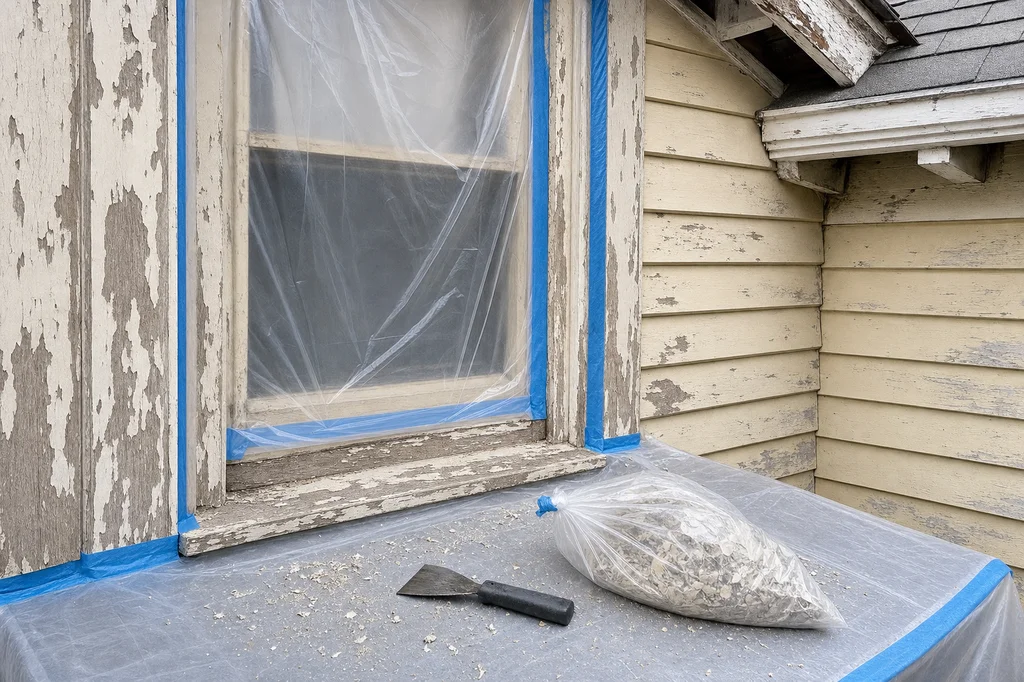
Fixer Upper’s lead-paint violation is a reminder that renovation or exterior work on a pre-1978 home needs more than a low bid. Before paint is scraped, cut, or disturbed, require a contractor who can address lead-safe practices, dust containment, homeowner notices, and project records.
Why older painted homes need a lead-safe work plan
Homes built before 1978 may contain lead-based paint, a known health hazard, especially for children. Work that disturbs old painted surfaces can create dust and debris, so the work plan matters as much as the visible repair.
For renovation work covered by EPA rules in pre-1978 homes, contractors may need certified renovators and lead-safe work and recordkeeping practices. That means scraping around windows, exterior repairs, or renovation demolition should not be treated as ordinary cleanup work.
For you, the practical issue is simple: bring up the home’s age before accepting a proposal. A contractor who accounts for the condition up front can plan the job instead of making dust control an afterthought once work has started.
What the Fixer Upper settlement shows homeowners to verify
Magnolia agreed to a settlement without admitting fault after EPA allegations involving work on homes that could have had lead paint. The allegations included not using certified renovators, skipping certain lead-safe practices for dust and debris, and failing to provide EPA Renovate Right pamphlets to homeowners and tenants before work began.
The settlement included a $40,000 cash fine and a commitment of at least $160,000 for lead-paint abatement in low-income homes and child care facilities. Magnolia also had to post lead-safety information online, create an educational video featuring Chip Gaines, and include a lead-safety segment in an episode of Fixer Upper.
The homeowner lesson is not that every older-home project will have the same issue. It is that a polished renovation brand, a familiar name, or a quick promise does not replace documented lead-safe planning. EPA review of Fixer Upper episodes also shows that visible work practices can draw scrutiny.
Pre-1978 home checklist before exterior or renovation work
Use this checklist before you sign. It focuses on the items that can reveal whether a bid includes the time and process needed for work that may disturb lead paint.
- Tell each bidder the home was built before 1978. This puts the age of the home into the scope conversation before pricing is set.
- Request the contractor’s applicable lead certification information. Certification was central to the EPA allegations involving Magnolia, so do not rely on a verbal assurance alone.
- Ask how dust and debris will be contained and handled. Containment helps prevent debris from spreading beyond the immediate repair area.
- Confirm whether you and any tenants will receive the EPA Renovate Right pamphlet before work begins. The pamphlet was specifically identified in the allegations.
- Get the lead-safe scope and recordkeeping responsibilities in writing. Written details make it easier to see whether a proposal includes the necessary steps rather than merely a broad line item for preparation.
- Compare what each bid includes, not just the total. A lower bid may leave out time for careful bagging, containment, cleanup, and documentation.
Do not assume that a lower price is a better value if it is silent about older paint. Lead-safe work can take time, and a proposal that does not account for that time may create pressure to rush or skip parts of the process.
How to compare bids without rewarding shortcuts
Choose the proposal that clearly addresses the painted surfaces being disturbed and the controls needed for the work. The cheapest estimate can be hard to evaluate if it does not state whether lead-related steps are included.
Read each scope for the same work area. For example, if one contractor plans to scrape painted window areas or remove painted exterior materials, compare that contractor’s containment and cleanup plan with the others. A vague estimate may conceal a major difference in process.
Keep the contractor’s answers with the proposal and final contract. Ask which painted surfaces will be disturbed, what certification applies, how dust and debris will be contained, whether you or tenants will receive notices, and which cleanup and recordkeeping steps are included. Project-specific obligations can depend on the work and location, so confirm them with a qualified licensed professional or the appropriate regulatory authority.
When choosing a contractor is relevant, Directorii lists verified contractors.
Source: Fixer Upper lead-paint violation report
FAQ
What should I tell a contractor if my house was built before 1978?
Tell every bidder the home was built before 1978 before they price the work. Ask whether the planned renovation or exterior work will disturb painted surfaces and request a written explanation of the applicable certification, containment, cleanup, homeowner notice, and recordkeeping steps included in the proposal.
Why did Fixer Upper face a lead-paint settlement?
Magnolia agreed to a settlement without admitting fault after EPA allegations concerning work on homes that could have had lead paint. The allegations included not using certified renovators, insufficient lead-safe dust and debris practices, and not providing EPA Renovate Right pamphlets before work began.
Should the lowest bid concern me for lead-related work on an older home?
It may warrant closer review if the estimate does not explain how it handles older painted surfaces. The work can require time for containment, bagging debris, cleanup, notices, and records, so compare the written scope of each bid instead of choosing only by the lowest total.
What is the EPA Renovate Right pamphlet?
The EPA Renovate Right pamphlet was identified in the allegations as information that homeowners and tenants did not receive before work began. Ask whether it applies to your project and keep any materials you receive with your project paperwork and written scope.
Can exterior repairs create a lead-paint concern in a pre-1978 home?
They can if the repair disturbs old painted surfaces and creates dust or debris. Before exterior work starts, have the contractor explain which surfaces will be disturbed, how debris will be contained, and which lead-safe responsibilities are included in the contract.