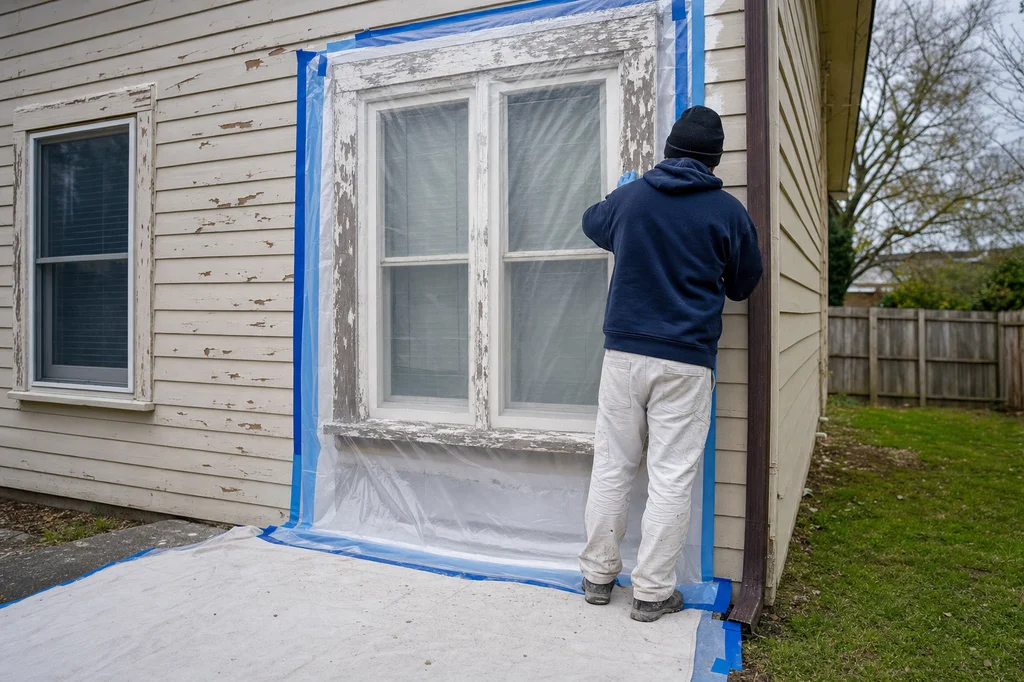
Before using a Home Depot contractor program for renovation work in a home built before 1978, verify who will actually perform the work and how lead dust will be controlled. Home Depot’s past settlement over lead-safe renovation allegations makes written credentials, containment, and cleanup procedures worth checking before work starts.
Why homes built before 1978 need a lead-safe work plan
Renovating painted surfaces in an older home can create dust that reaches living areas, windows, and household belongings. The key homeowner issue is not whether a project is large or small; it is whether the planned work could disturb older paint and whether the people doing it are qualified for that risk.
The allegations against Home Depot concerned renovations performed from 2013 through 2019 at homes built before 1978. Customers contracted with Home Depot, which then hired subcontractors. The Department of Justice, EPA, Utah, Rhode Island, and Massachusetts alleged that many workers were not properly certified or licensed for lead-related work, depending on the state.
For your project, treat a store-arranged installation as a contractor assignment that still needs scrutiny. Know the legal business name of the company and the people expected to enter your home before signing or scheduling work.
What the Home Depot settlement does—and does not—tell homeowners
Home Depot settled the case for $20.75 million without admitting wrongdoing. The settlement included commitments to use EPA-certified and state-licensed contractors for future jobs, along with training, compliance checks, job-site inspections, improved recordkeeping, and a process for homeowners to report concerns about lead-safe work.
That settlement is not a substitute for checking the specific contractor assigned to your address. A corporate program can have stated procedures, while the work at your home is performed by a separate subcontractor. Get the assigned company’s information and review the plan for your project rather than relying on a program name alone.
Lead-safe renovation checklist before you authorize work
Use this checklist before demolition, window work, painting preparation, siding work, or another renovation that may disturb old painted surfaces. The goal is to make the lead-safety plan concrete enough to evaluate before dust is created.
- Confirm the home’s age. Tell the salesperson and assigned contractor that the home was built before 1978, if applicable. This puts the age-related concern into the written project record.
- Identify the actual contractor. Request the legal company name, contact information, and the identity of any subcontractor that will perform the work. The party selling the project may not be the party doing the renovation.
- Verify lead-safe credentials. Request proof of EPA certification or the applicable state credential for the assigned contractor. Which credential applies can depend on your state.
- Require a written dust-containment plan. The written scope should state how the work area will be contained so dust is not simply carried into occupied parts of the home.
- Get resident-warning procedures in writing. The allegations included failures to warn residents. Ask what notice you will receive, what rooms or areas will be affected, and what access limits apply during the work.
- Specify cleanup before the job begins. The plan should explain who is responsible for cleanup and when it will occur. “Cleanup included” is too vague for work that may create lead dust.
- Keep the project records. Save the contract, credentials, notices, change orders, and any written reports or communications about the lead-safe process.
This is a paperwork-and-process decision, not a roof or renovation task for you to perform. Clear answers should match the written scope. If the assigned company cannot identify who will perform the work or explain its credentials, containment, and cleanup process, pause before authorizing work and consider another qualified provider.
Written containment and cleanup matter more than verbal assurances
Containment and thorough cleanup were central to the alleged failures in the Home Depot case. A verbal statement that workers will “be careful” does not tell you how dust will be controlled, where it can travel, or what must happen before the work area is returned to normal use.
Ask for the plan in the estimate, contract, or a project attachment. It should connect the work being done to the protections promised: the work area, the household areas that need protection, resident notices, and cleanup responsibility. If the scope changes during the project, request an updated written plan before the new work proceeds.
For state-specific requirements or uncertainty about a proposed procedure, confirm the details with a properly licensed lead-safe professional or the appropriate state agency. Do not assume that a procedure described for one state automatically applies where you live.
When to use a different renovation contractor
Choose a different provider if the assigned contractor’s credentials cannot be verified, the company will not put dust controls and cleanup in writing, or the work plan changes without a documented lead-safe process. Those gaps are especially significant in a pre-1978 home because they concern the protections meant to limit exposure during renovation.
Compare the proposed scope, not just the installer’s name or the retailer’s brand. A qualified contractor should be able to identify the responsible company, provide applicable credentials, and describe the site-specific work plan without relying on vague promises. Directorii lists verified contractors.
Source: Home Depot’s $21 Million Mistake – The Largest Lead Paint Violation in U.S. History
FAQ
Should I use a Home Depot contractor program for a home built before 1978?
You can consider the program, but verify the specific company assigned to your job before work begins. Request the contractor’s applicable EPA certification or state credential, identify any subcontractor, and require written containment, resident-warning, and cleanup procedures for work that may disturb older paint.
What should Home Depot lead safe renovation contractors provide before work starts?
They should be able to identify the company performing the work and provide applicable lead-safe credential information. You should also receive a written project plan covering dust containment, notices to residents, cleanup responsibility, and how changes to the scope will be handled.
Why does it matter if a retailer hires a subcontractor for my renovation?
The company that sells or coordinates the project may not be the company that performs the work in your home. Knowing the assigned contractor lets you verify credentials and compare the written lead-safe procedures with the people actually scheduled to perform the renovation.
What lead-safe concerns were raised in the Home Depot case?
The allegations included using contractors who were not properly certified or licensed in some cases, changing records related to lead-risk status, and skipping safety steps such as containing dust, warning residents, and cleaning up properly. Home Depot settled without admitting wrongdoing.
Can I rely on a verbal promise that cleanup will be done?
A written cleanup procedure is more useful because it defines what the contractor has agreed to do. For a pre-1978 home, ask for written details on containment, resident notices, cleanup responsibility, and how the plan will be updated if the scope changes.