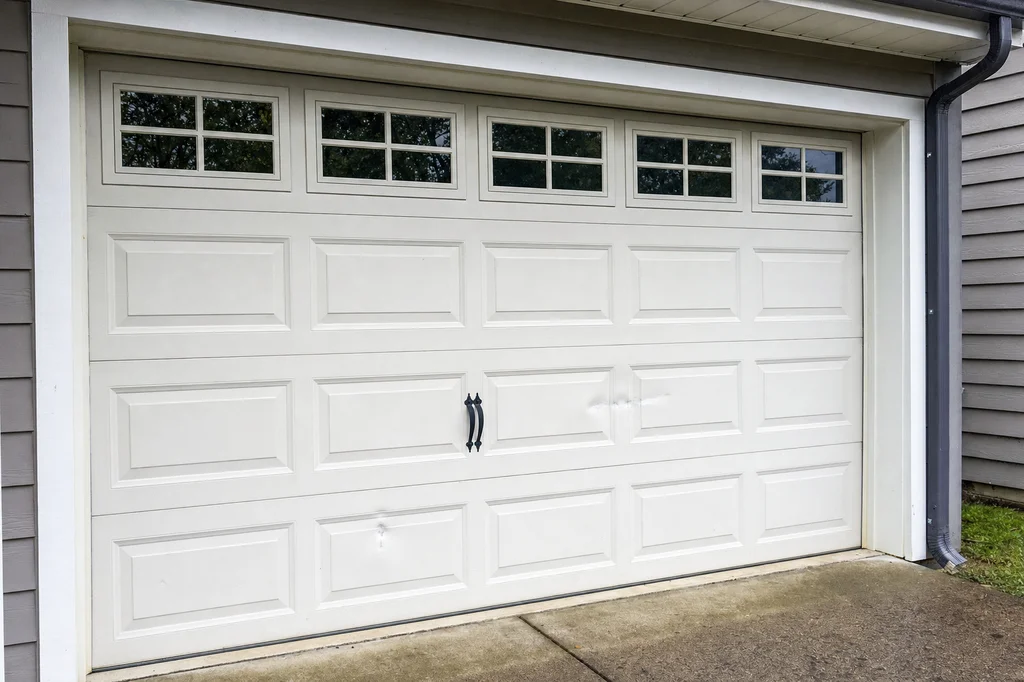
The David Kuntz garage-door incident in Colorado is a warning to document your property before a roofer inspects for hail damage or meets an adjuster. Clear photos, a limited inspection scope, and your presence can help separate storm damage from damage that appears after a contractor arrives.
What happened at the Colorado garage door
Surveillance footage reported by CBS News Colorado appeared to show David Kuntz, identified as a sales manager for Timberland Exteriors of Colorado, making repeated marks on a homeowner’s garage door and marking them for an adjuster expected later that day. The homeowners ultimately chose not to pursue an insurance claim.
Kuntz initially told the station that the footage looked bad and referred to trying to help homeowners with their deductible. He later said he had been pressing on the door to assess it and was using his thumb, while the footage appeared to show an implement being taken from his pack. The key homeowner lesson is not to decide who is right from a sales explanation. Preserve the condition of your home before, during, and after an inspection.
A garage door can be part of a hail claim, but only if it has actual storm-related damage. A contractor should identify existing conditions, not create or exaggerate them to make a claim larger.
Document the property before a hail inspection begins
Take a simple, time-stamped record before anyone begins evaluating the exterior. This gives you a baseline if a contractor, insurer, or another party later disagrees about when a dent, scratch, or other mark appeared.
- Photograph the garage door straight on. Include the full door, each panel, trim, handles, windows, and nearby siding. Wide shots establish location; close shots preserve existing dents or blemishes.
- Record a short walkaround video from the ground. Capture gutters, downspouts, siding, windows, screens, fencing, air-conditioning equipment, and other accessible surfaces that may be discussed in a hail claim.
- Save storm information you already have. Keep notices, weather alerts, or photos taken after the event if you have them. Do not create a reconstruction later; retain the records made at the time.
- Note who will attend. Write down the company name, representative’s name, arrival time, and whether an insurance adjuster is expected. This makes the inspection easier to track without relying on memory.
- Keep original files. Do not edit photos or overwrite them. Back them up where you can retrieve them if the claim becomes disputed.
You do not need to conduct a technical roof inspection yourself. Your role is to preserve what you can safely see from the ground and control access to your property. A roofing professional can evaluate roof conditions without asking you to get on the roof.
How to handle a roofer’s adjuster appointment
You can allow a roofer to attend an adjuster meeting while still setting clear boundaries. The appointment should be an evidence-based review of storm damage, not an opportunity to search for ways to increase the claim.
Be present if possible, or have a trusted adult attend. Ask the contractor to identify each claimed item before the adjuster arrives and explain why it is believed to be hail-related. If the contractor points to a garage-door dent or another item you did not notice, photograph it immediately and ask for it to be identified in writing.
Keep the contractor’s role distinct from the insurer’s role. A roofer can provide observations and a repair estimate. Your insurer determines coverage under your policy. If you are unsure whether a contractor’s recommendation belongs in the claim, contact the insurer directly rather than relying only on a sales representative’s interpretation.
Warning signs of a claim-inflation pitch
A contractor who treats questionable damage as a shortcut to a paid project can put you in the middle of a dispute. The problem is not a thorough inspection; it is pressure to represent non-storm damage as storm damage.
- The representative promises to “find” enough damage to cover a deductible or make the project work financially.
- They want to inspect or meet the adjuster while you are away and resist photos, notes, or your questions.
- They mark damage without first showing you what they found and why they believe it came from hail.
- They urge you to file a claim before providing a clear description of the observed damage.
- They dismiss your concern about new dents, marks, or changed conditions after their visit.
Claims may be closely reviewed, particularly when damage is uncertain. Inflated or fabricated damage can complicate your claim and may affect insurance costs more broadly, as an insurance-industry representative told CBS News Colorado in connection with this incident. Do not sign claim paperwork or authorize repairs based on a promise that someone else will “handle” the insurance side.
What to say before you grant access
Set expectations in a short message or at the door. A reputable contractor should have no problem with a homeowner documenting the property and limiting the inspection to evaluation rather than repair or alteration.
- “I have photographed the exterior before this inspection. Please point out any damage before marking it.”
- “Do not alter, test, remove, or repair any part of my property without my written approval.”
- “If you believe a garage-door mark is hail damage, show me the location and explain your reasoning before the adjuster arrives.”
- “Please provide your findings and estimate in writing, with the damaged items listed separately.”
These statements are not an accusation. They establish a record and make it harder for a rushed sales process to replace your own observations. If you notice apparent new damage after an inspection, take photos, preserve any camera footage, notify the company in writing, and contact your insurer for guidance on the claim. For a serious dispute or suspected property damage, consider speaking with local law enforcement or qualified legal counsel.
Why contractor verification matters after a hailstorm
Storm activity can bring many salespeople into a neighborhood at once, making it harder to distinguish a careful inspection from a high-pressure pitch. Choose a contractor based on documented findings, clear written scope, and conduct on your property—not on assurances that a claim will pay.
Before signing, compare the contractor’s written damage list with your own photos and the insurer’s assessment. If the explanations do not line up, pause rather than letting urgency drive the decision. Directorii lists verified contractors.
Source: Colorado garage-door insurance-claim report
FAQ
What should I photograph before a roofer inspects for hail damage?
Photograph the full garage door, individual panels, trim, siding, gutters, windows, screens, fencing, and other visible exterior surfaces from the ground. Take both wide shots and close-ups of existing marks. Keep the original files and record the date, time, contractor name, and scheduled inspection or adjuster appointment.
Can a roofer attend my insurance adjuster appointment?
Yes, a roofer can attend to identify observed damage and discuss a repair estimate, but the insurer decides coverage under your policy. Be present if possible, keep your own photos, and ask the roofer to identify each claimed item before the appointment. Do not rely on a sales pitch as a coverage determination.
What does the David Kuntz garage-door incident mean for homeowners?
It shows why a homeowner needs a record of exterior conditions before an inspection. Footage reported in Colorado appeared to show garage-door dents being made and marked before an adjuster visit, while Kuntz disputed that he was fabricating damage. Documentation helps preserve the facts if damage later becomes disputed.
Should I let a roofer mark damage on my garage door?
You should understand and approve what the contractor is doing before marks are made. Ask the representative to show you each suspected hail impact and explain why it appears storm-related. Photograph the area first and request written findings. A claim inspection should document existing conditions, not alter your property.
What should I do if I think a roofer damaged my property during an inspection?
Take photos and video of the area immediately, save any doorbell or security-camera footage, and write down who was present and when. Notify the company in writing and contact your insurer for claim guidance. If you suspect intentional property damage, local law enforcement or qualified legal counsel can advise on your options.