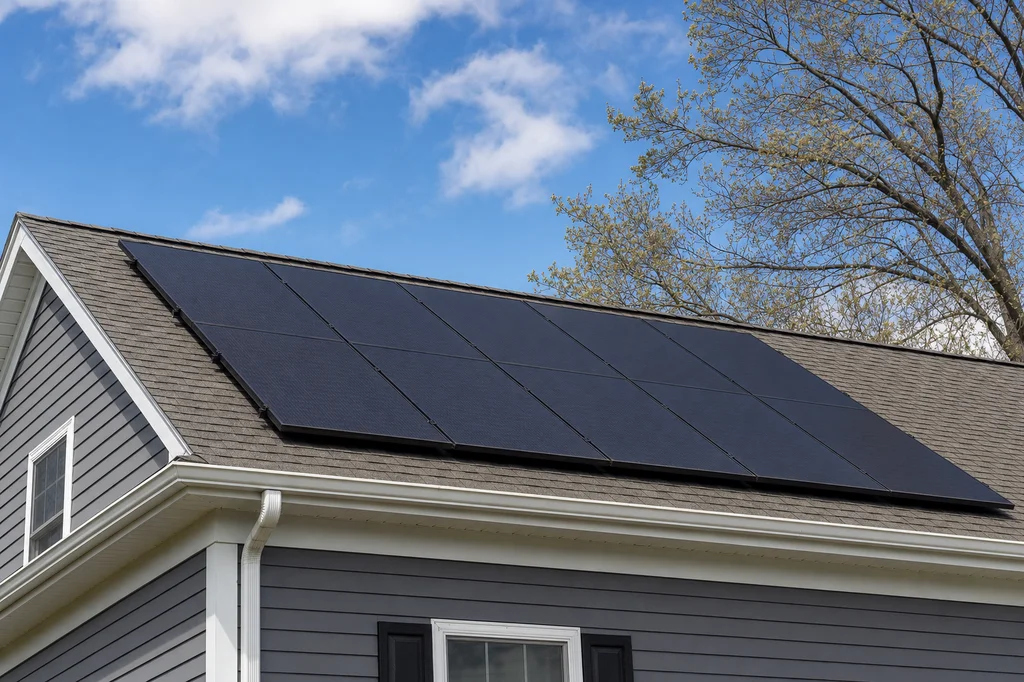
A Liberty Mutual cancellation notice reportedly confused solar panels with moss and algae, showing why a drone or AI roof image should not be treated as the final word on your home. If an insurer threatens to cancel coverage after aerial imaging, document the property promptly, request the basis for the decision, and submit clear evidence of any apparent error.
Why aerial roof images can lead to cancellation notices
Insurers may use drones, aerial images, and automated image analysis to review properties they insure. That can identify real maintenance concerns, such as branches hanging over a roof, but a distant or grainy image may not show whether a roof is actually damaged or failing.
The reported examples included a Massachusetts homeowner who received a warning about branches above the roof and spent $1,200 having them removed. A Texas homeowner reportedly received grainy drone photos and a request to trim overhanging branches. Another homeowner was reportedly told to replace a roof that was only five years old, without receiving photos supporting that request.
For a homeowner, the key distinction is simple: an image can flag a condition, but it may not establish its cause, severity, or effect on roof performance. Algae, shadows, solar equipment, and roof details can be difficult to interpret from an aerial view. Treat the notice seriously without assuming the image is correct.
What to do as soon as an insurer flags your roof
Respond before the date listed in the notice and build a file that shows the current condition of the property. Do not rely on a phone conversation alone. A written record makes it easier to show what the insurer alleged, what you found, and what you sent in response.
- Save every notice and attachment. Keep the letter, envelope, email, drone image, policy information, and any stated deadline together. Note whether the insurer is requesting a repair, demanding more information, or threatening cancellation.
- Request the specific basis for the action. Ask the insurer to identify the exact condition it believes is present and to provide the images or other information used for the decision. If the notice is vague, ask what part of the roof is at issue.
- Photograph accessible parts of the property from the ground. Take wide shots and close-ups of the roofline, trees, gutters, solar panels, and the areas referenced in the notice. A dated walk-around video can help show the overall property condition. Do not climb onto the roof to obtain evidence.
- Address a confirmed maintenance issue. If branches truly contact or hang over the roof, arrange for qualified tree care work. If an actual roof defect is found, get the work scoped and documented by an appropriate professional.
- Send a concise written response. State whether you agree or disagree with the alleged condition, attach supporting photos or reports, and ask for written confirmation that the evidence was received and reviewed.
Keep copies of photos in their original form if possible. A simple file name with the date and location can make a later review easier.
How the reported Liberty Mutual solar-panel mistake changes your response
The reported Liberty Mutual case is a useful reminder to challenge a visible mismatch directly. Janice and Anthony Coleman reportedly received a notice that described moss and algae, while they said the aerial image showed solar panels. They reportedly obtained a roofer’s confirmation that the roof was fine, but the decision was not reversed.
That account does not establish why the insurer acted or what any policy required. It does show that proving an image was mistaken may not automatically preserve a policy. Your response should therefore do two things at once: correct the apparent image error and clarify the insurer’s next decision point.
For example, state that the feature identified as moss or algae is solar equipment, attach ground-level photos showing its location, and request a written explanation of whether any other condition is driving the notice. If an independent roof assessment finds no issue, include that report. Ask whether the insurer will conduct a further review or inspection and what additional documentation it will consider.
Do not make assumptions about coverage, cancellation rights, or renewal requirements. Those can depend on your policy, the notice, and state rules.
What a roof professional can verify that an aerial image cannot
A qualified roofer can assess roof conditions that may be unclear from an aerial image, including whether staining is superficial or whether there is evidence of a functional roofing problem. A professional assessment can also distinguish visible equipment, such as solar panels, from conditions the insurer may have identified incorrectly.
Ask for documentation suitable for your records: labeled photos, a written description of the roof’s observed condition, and a clear separation between maintenance recommendations and any repair or replacement recommendation. If a roofer believes work is needed, the scope should identify what is being addressed and why.
Be careful with anyone who treats an insurer’s letter as automatic proof that you need a new roof. The notice may concern a real issue, an image interpretation problem, or an underwriting decision that has more than one factor. You need evidence before committing to major work.
Directorii lists verified contractors.
Questions to put in writing to the insurer
Written questions help prevent a roof concern from turning into a vague dispute. Keep the request focused on the stated property condition rather than arguing broadly about the insurer’s technology.
- What exact roof condition is shown in the image or report?
- Which photo, date, and area of the property supports that finding?
- Is the notice based only on aerial imagery, or was there another review?
- Will you review photos and a written report from an independent roofing professional?
- If the pictured feature is solar equipment or another misidentified item, what information is needed to correct the record?
- What action, if any, must be completed by the date in the notice?
Send the questions through a channel that creates a record, and retain proof of delivery. If you complete requested tree work or roof repairs, send the invoice and photos showing the finished result.
Document your home before the next notice arrives
Routine documentation gives you a baseline if an aerial review later identifies a condition you do not recognize. After major weather or seasonal changes, record the exterior from the ground and keep receipts for maintenance or professional work.
Include roof edges, gutters, trees near the structure, visible flashing areas, and solar equipment. A roofer can perform an assessment when you have a specific concern, but regular ground-level photos are still useful for tracking what was visible at different times. Source: Deepfakes, Drones & Denials: How Insurers Are Using Tech Against You
FAQ
What should I do if a drone image leads to a roof cancellation notice?
Save the notice and images, request the specific basis for the action, and document the property promptly from the ground. Send a written response with clear photos and any relevant professional report. Act by the date stated in the notice, but do not assume the aerial image is correct.
Can an insurer mistake solar panels for moss or algae?
An apparent mistake of that kind was reported in a Liberty Mutual case involving Janice and Anthony Coleman. Aerial images can be hard to interpret because they may not clearly show the nature of a roof feature. Photograph the equipment and ask the insurer to identify the precise image and condition it relied upon.
Should I replace my roof because an insurer says it looks bad in a drone photo?
No, get evidence before agreeing to major roof work. A drone image may identify a condition worth investigating, but it may not show whether the roof is functionally damaged or needs replacement. Have a qualified roofing professional document the observed condition and separate needed work from cosmetic appearance.
How can I document my roof without getting on it?
Take dated photos and video while walking around the property from the ground. Capture roof edges, trees near the home, gutters, visible roof surfaces, and solar equipment. Keep maintenance invoices and professional reports with those files, especially after storms or seasonal changes.
What should I ask an insurer after it flags my roof with aerial imagery?
Ask what exact condition it identified, which image supports that finding, and whether the notice was based only on aerial imagery. Also ask whether it will review your photos and an independent roof report. Request written confirmation of what action is required and when your evidence will be reviewed.