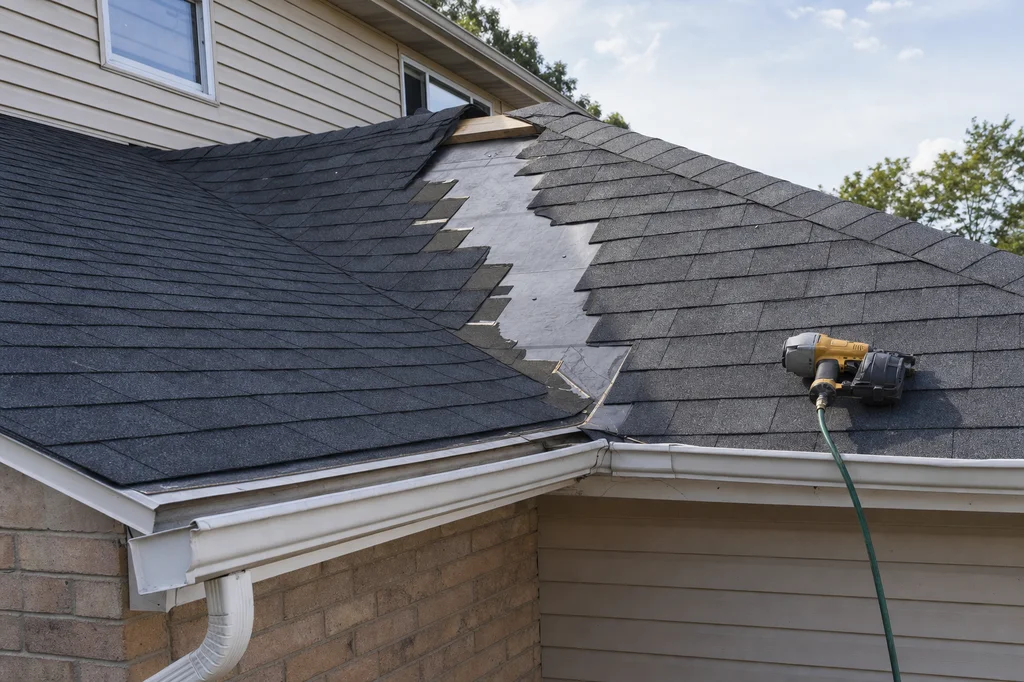
Can a contractor take back installed work after nonpayment? A disagreement about the final bill can be serious, but it does not turn completed work into something that can safely be demolished. Once tile is installed in a bathroom, it is no longer simply a contractor’s tile; it has become part of the house.
When a payment dispute becomes property damage
A contractor may be owed money for completed work, but destroying installed work can turn a civil payment dispute into a criminal matter. In the United States, a contractor may pursue payment, but is not owed the work back after it has become part of the home.
The consequences can be severe for everyone involved. In Colorado, a contractor destroyed a new bathroom with a sledgehammer after saying the homeowner had not paid; the homeowner said the job was unfinished. In Australia, a new driveway was wrecked after a dispute over the final amount and rubbish-removal costs. Builders in the United Kingdom also destroyed a patio during a payment dispute, and an apartment complex in Germany was damaged with an excavator after a developer allegedly refused payment.
These cases differ in scale, but they show the same problem: a dispute over what is owed becomes a loss of completed work. Damage can also undermine the contractor’s effort to collect payment.
Start with what the contract says was due
Nonpayment and dissatisfaction are not the same issue. If work is unfinished or improperly done, compare the current result with the agreed scope before deciding how to handle the next payment.
Many contracts use an upfront payment followed by a later payment when work is finished. The agreement may allow for punch-list items: specific remaining corrections or unfinished tasks before final closeout. Instead of saying the whole job is unacceptable, identify the particular work that remains incomplete or was not done properly.
- Scope: Match the disputed item to the work the contractor agreed to perform.
- Payment milestone: Check whether the next payment is tied to a completed phase or final completion.
- Punch-list items: List each unfinished or improperly completed item clearly.
- Added costs: A disagreement over extra work, such as rubbish removal, can become a final-payment conflict.
- Records: Keep the contract, invoices, messages, photos, and a dated list of remaining items.
Withholding payment can be an option when the contractor has not completed the agreed work or has not properly completed it. Put the reasons in writing and connect them to the contract. Payment obligations and remedies depend on the agreement and applicable law, so seek legal advice when the amount or damage is significant.
If a contractor threatens to destroy completed work
- Put your position in writing. Identify the disputed work and the relevant payment milestone or promised scope.
- Request a completion plan. Ask what work remains, how it will be corrected, and when it will be done.
- Document the condition of the work. Preserve photos, invoices, and messages before the dispute escalates.
- Prioritize safety. If someone is threatening or actively causing property damage, contact local law enforcement. For the payment dispute, consult qualified counsel.
A contractor who believes payment is owed can use lawful channels, including a demand letter, court action, or lien remedies where available. Those remedies are different from tearing out or smashing work that has become part of the property.
Make the final payment easier to resolve
Clear terms reduce arguments over memory and expectations. Before work begins, the contract should make the scope and payment stages understandable, including what is included, what counts as completion, and how remaining punch-list work will be addressed.
That clarity matters because both sides can feel exposed. Contractors may have already paid for labor and materials, while homeowners may be facing one of the largest expenses connected to their home. A written agreement gives each side a reference point when the work or final payment is disputed.
Choose a contractor who will use a written scope
Look for a contractor willing to put the scope, payment milestones, and closeout expectations in writing. Directorii lists verified contractors.
If damage has already occurred, preserve evidence and get advice suited to your contract and state. Do not let a dispute over payment become a dispute over destroyed property.
Source: Can a Contractor Take Back Their Work If You Don’t Pay?
FAQ
Can a contractor remove installed work because I have not paid?
A payment dispute does not mean a contractor is owed installed work back. Once work such as bathroom tile, a driveway, or a patio has been installed, destroying it can turn a civil payment dispute into a criminal matter.
What should I do if a contractor threatens to destroy completed work?
Move communications into writing, identify the disputed work and payment terms, and document the current condition with photos and records. If there is an immediate threat or property damage, prioritize safety and contact local law enforcement. Consult qualified counsel about the contract dispute.
Can I withhold final payment for unfinished work?
Withholding payment can be an option when agreed work is unfinished or was not properly done. Review the payment milestone and scope, list the specific remaining items in writing, and seek legal advice if the dispute is significant.
What is a punch list in a construction payment dispute?
A punch list identifies specific work that remains unfinished or needs correction before final closeout. It is most useful when each item is tied to the work promised in the contract.
What can a contractor do instead of destroying installed work?
A contractor who believes payment is owed may pursue lawful remedies, including a demand letter, court action, or lien remedies where available. Those options are different from damaging work that has become part of the home.