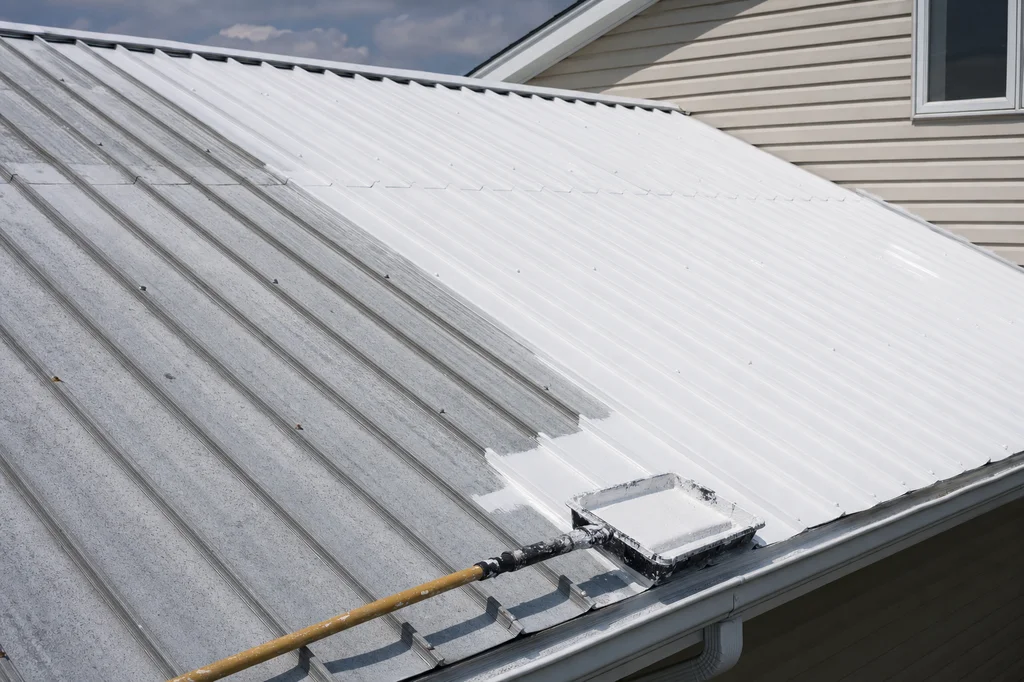
A 20-year warranty line on a roof-coating bid does not, by itself, show that a manufacturer warranty will be registered. One former Conklin dealer said some competing bids promised a 20-year term even when the contractor might not file a manufacturer warranty. Before work begins, have the contractor state in writing what warranty is being offered, who will register it, and what documentation you will receive.
The issue is the promise behind the warranty term
The former dealer said that, without a registered manufacturer warranty, a building owner may be relying on the contractor to remain in business for the stated term. He also said that extra Conklin training may be needed to file a manufacturer warranty and that many contractors he encountered did not file them.
These are one former dealer’s reported experiences, not a statement of current Conklin policy or a finding about every installer. They give homeowners a specific reason to separate a broad warranty promise from a manufacturer warranty that the contractor says it can register.
Get these answers in the proposal
- Who provides the warranty? State whether the promise is from the installing company, Conklin, or both.
- Will a manufacturer warranty be registered? If so, identify who files it and when.
- What proof will you receive? Ask what written confirmation or warranty document the contractor will provide after registration.
- What system is being installed? Identify the proposed coating system and the roof area covered by the scope.
- Can the installer register the warranty offered? Ask whether its Conklin training or status permits it to do so.
If a contractor offers a long warranty term but will not identify the provider, registration responsibility, or final documentation, that is a reason to pause before signing.
Conklin’s product and dealer model are separate questions
The former dealer described Conklin as one of the better acrylic systems for metal roofs that he had used. He expressly limited that praise to metal-roof systems and said he does not believe in acrylics on flat roofs. His criticism was directed at the dealer model, not that product assessment.
He characterized Conklin as an MLM and described earning price breaks through purchase volume or recruitment. He also said that dealers can compete in the same area and that newer dealers may face different material costs. Those statements are his reported experience, not verified manufacturer policy. For a homeowner, the practical comparison is the written system, preparation, warranty handling, and total price—not the brand name alone.
Credentials and material availability are worth verifying
The former dealer proposed checkpoints such as a license, insurance, workers’ compensation, and training before a person sells or installs the system. Treat those as his proposed safeguards rather than established Conklin requirements. Still, homeowners can verify an installer’s current license where required locally, insurance, workers’ compensation status, and relevant training before awarding the work. Confirm local requirements with the appropriate agency or licensed professional.
He also recalled an eight-week Conklin product wait during 2021 while he was able to obtain competing product. That is one former dealer’s reported experience during that period, not a statement about current availability. Ask whether the specified material is available for your scheduled work and require written approval before any substitute coating is used.
A short decision checklist
- Compare the contractor warranty and any manufacturer warranty as separate promises.
- Put warranty registration responsibility and expected proof in the contract.
- Match the warranty to the exact coating system and scope.
- Verify the installer credentials and training the contractor says it holds.
- Confirm material availability before scheduling work.
Directorii lists verified contractors.
Source: Glick Roofing on Conklin’s dealer model and warranty concerns
FAQ
Does a 20-year coating warranty mean a manufacturer warranty was registered?
Not necessarily. The former dealer said a contractor could promise a 20-year term without registering a manufacturer warranty. Ask who provides the warranty, who files any registration, and what written proof you will receive.
What should a Conklin coating proposal say about warranty registration?
It should identify whether the warranty comes from the contractor, Conklin, or both; who will submit any registration; what system is covered; and what documentation you should receive after filing.
Can every Conklin contractor file a manufacturer warranty?
The former dealer said extra Conklin training may be needed to file a manufacturer warranty and that some contractors did not file them. Ask the contractor whether its training or status permits registration for the system proposed for your roof.
What did the former dealer say about Conklin coatings?
He considered Conklin one of the better acrylic metal-roof systems he had used. He limited that assessment to metal roofs and said he does not believe in acrylics on flat roofs.
Should I verify a coating installer’s license and insurance?
The former dealer proposed licensing, insurance, workers’ compensation, and training as safeguards. Homeowners can ask for current documentation and confirm local licensing and insurance requirements with the appropriate agency or licensed professional.