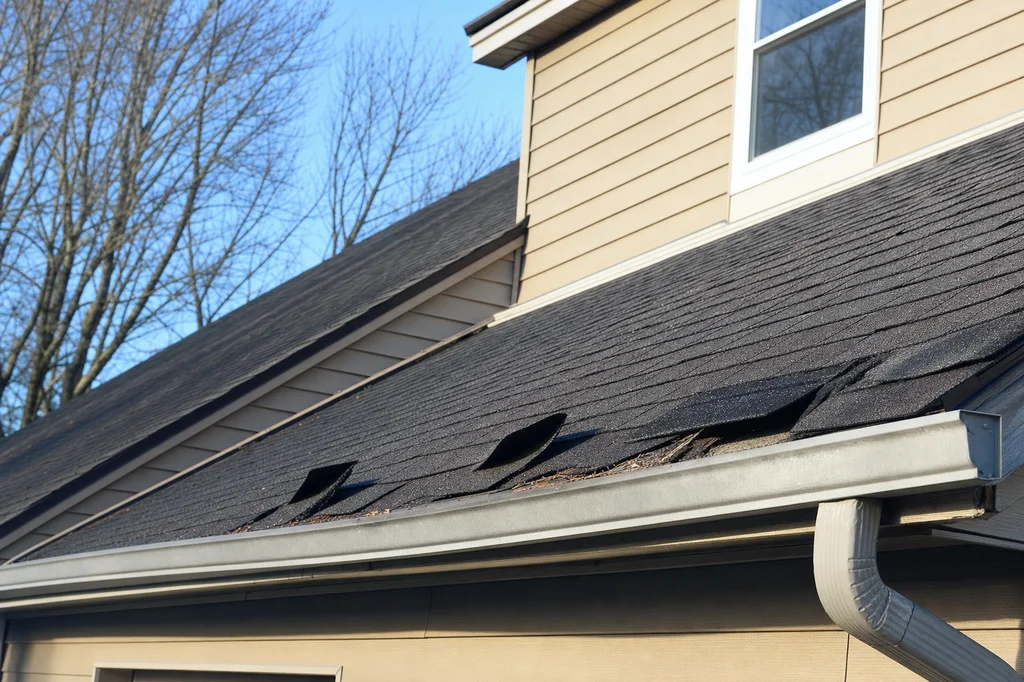
When cold-weather asphalt shingles are not sealing, flapping tabs and blow-offs deserve prompt documentation and a written repair plan. A limited final-payment holdback can give you practical leverage for spring touch-ups without withholding an amount that is out of proportion to the remaining work.
Why cold weather can leave asphalt shingles unsealed
Asphalt shingles need warmth and sunlight for their sealant strips to activate. At 50 degrees or below, shingles may not seal promptly, which can leave individual tabs vulnerable to wind until conditions improve.
This does not automatically mean the entire roof was installed incorrectly. Asphalt shingles are water-shedding materials rather than waterproof materials, and their sealed bond helps keep tabs from lifting in wind. A cold installation can therefore create a real short-term vulnerability even where the overall installation is otherwise sound.
Some roofers decline cold-weather work below that temperature because of this risk. Others install during late-season weather and plan for a return visit if tabs need attention. What matters is whether the contractor has a specific plan to address tabs that do not seal or that blow off.
Flapping tabs and missing shingles need a written record
A flapping noise in high wind, a loose tab, or a shingle that has blown off is a repair issue—not just a cosmetic concern. Record what you can safely see from the ground and notify the roofer in writing while the condition is occurring.
- Photograph visible lifted or missing shingles. Take wide shots that establish location and closer shots if they can be taken from the ground.
- Note dates and weather conditions. Record when you heard flapping, when a tab lifted, and when the roofer visited or made a repair.
- List unfinished items separately. Shingle repairs and documented damage to the home should each appear on the same punch list with a clear description.
- Keep communications in writing. A text or email confirming that the roofer will return in spring is more useful than an informal verbal assurance.
Do not get onto the roof to press tabs down, add adhesive, or inspect the sealant strip. A roofing professional can determine whether the affected shingles need manual sealing, replacement, or another repair.
Wind and airborne dust can make delayed sealing more serious
Cold alone may delay sealing, but prolonged exposure to wind, dust, snow, or airborne particles can interfere with the adhesive bond. This is a larger concern around open, sandy, or highly exposed areas than in more sheltered neighborhoods.
Particles can get between the sealant strip and the shingle surface before warmth has a chance to activate the bond. If that happens, some tabs may continue to lift rather than sealing when spring arrives. That is why waiting for warm weather should not mean ignoring repeated flapping or blow-offs all winter.
Shingle manufacturers may address cold-weather installation conditions in their installation manuals. Ask the roofer to identify the exact shingle product installed and explain how the observed tabs will be evaluated after warmer weather returns.
How to set a fair final-payment holdback for touch-ups
If the roof is substantially complete but has a defined touch-up list, paying most of the outstanding balance while retaining a limited amount can be a reasonable negotiating approach. The goal is to preserve an incentive for completion, not to treat a repair list as a reason to withhold the entire remaining balance.
A holdback of 5% to 10% of the final contract amount was presented as a reasonable range for ordinary touch-up items. That is not a universal rule, and your signed contract may have its own payment terms. It is more appropriate where the remaining work is limited, such as replacing a few blown-off shingles, correcting unsealed tabs, or resolving documented minor damage.
A much larger dispute is different. If you believe the roof has widespread defects or needs major replacement work, do not rely on a simple spring punch-list arrangement. Review the contract before agreeing that the work is complete.
- Send the roofer one written list of the remaining items, with photos where possible.
- State the amount you will pay now and the limited amount you will retain until the listed work is complete.
- Ask the roofer to confirm the spring follow-up and repair scope in writing.
- Specify what completion means: repaired or replaced loose tabs, no visible missing shingles, and resolution of the separately listed damage.
- Pay the retained amount after the agreed work is completed and documented.
Keep the message factual and narrow. You might write: “I will pay the remaining balance less a limited holdback for the documented loose and missing shingles and the listed damage. Please confirm the repair scope and when you will return once weather allows. I will release the holdback after those items are completed.”
What a successful spring follow-up should resolve
By the end of the follow-up, the roofer should have addressed the specific tabs that lifted, flapped, or blew off and completed the written punch list. Keep your photos, messages, payment record, and confirmation of completed repairs together in case questions arise later.
If problems extend beyond a few cold-weather tabs or the roofer will not define a repair plan, another roofing professional may help assess the condition. Directorii lists verified contractors.
Source: Roofer Wants Final Payment, But Shingles Aren’t Sealing – What Now?
FAQ
Can new shingles remain unsealed after a cold-weather installation?
Yes, asphalt shingles may remain unsealed until warmer weather and sunlight activate their sealant strips. Cold installation does not automatically prove the entire roof is defective, but loose tabs, flapping sounds, or blown-off shingles should be documented and brought to the roofer’s attention promptly.
What should I do if I hear shingles flapping in the wind?
Document the sound, weather conditions, and any visible lifted tabs or missing shingles from the ground, then notify the roofer in writing. Do not climb onto the roof or try to seal the tabs yourself. Ask the roofer to identify the repair plan and confirm the spring follow-up.
Should I pay the roofer in full before cold-weather shingle touch-ups are done?
For a limited touch-up list, paying most of the balance while retaining a limited final amount may be a practical approach. A 5% to 10% holdback was suggested for ordinary touch-ups, but it is not a universal rule. Review the payment terms in your contract before withholding money.
Can dust or wind prevent asphalt shingles from sealing later?
They can. Wind, dust, snow, and airborne particles may get between the adhesive strip and the shingle before the sealant has activated. This may be more concerning in exposed or sandy locations. Repeated lifting or blow-offs should be evaluated by a roofing professional instead of waiting indefinitely for spring.