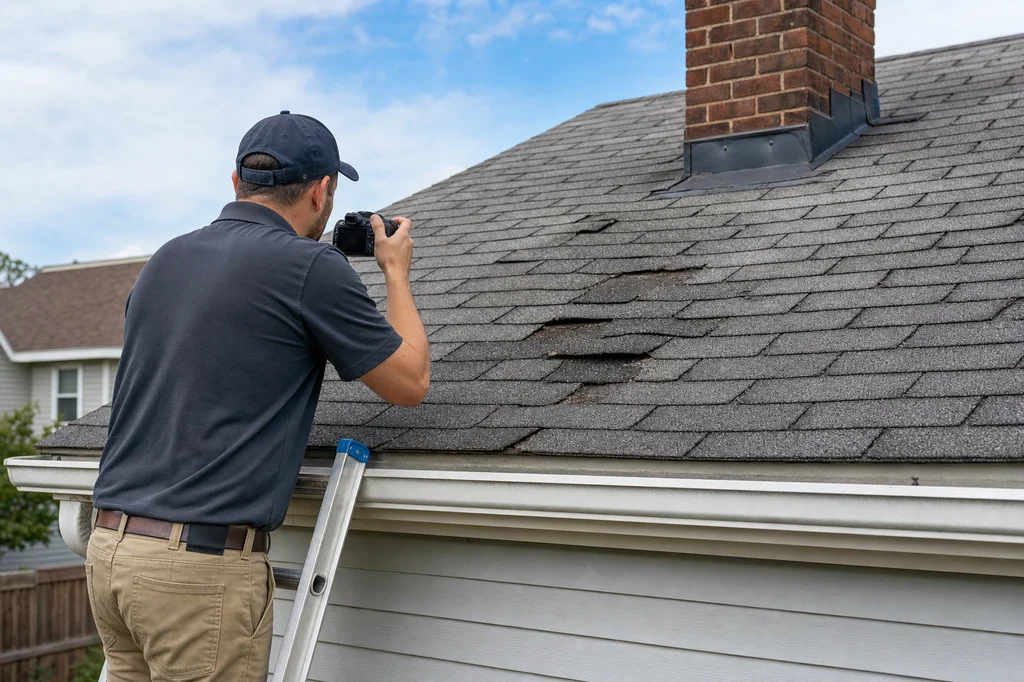
Free roof estimates can create cancellation disputes when they lead to a signed agreement before you have vetted the company. Read the cancellation clause, any claim authorization, and the scope of documented inspection work before committing to a storm-chasing roofer.
Separate an estimate from a signed obligation
A contractor may spend time researching storm activity, traveling through a neighborhood, inspecting the roof, meeting an adjuster, and preparing claim-related paperwork before work begins. That effort does not automatically make a cancellation charge reasonable, but it explains why a company may resist a quick cancellation.
The practical issue is not whether an estimate was advertised as free. It is whether the document you signed converts that initial contact into an exclusive contract, a contingency agreement, a claim authorization, or another obligation with a stated fee.
Do not assume that no shingles installed means no financial dispute is possible. A company may point to its signed agreement and work it says it performed. Your copy of the agreement, the timing of events, and records of the actual work matter if a disagreement develops.
Read the cancellation clause before signing anything
The cancellation section is the term most likely to change the cost of changing your mind. Find it before you sign, not after an insurance inspection or claim approval creates more tension between you and the company.
- Find the fee formula. Look for a flat charge, a percentage of the proposed project, charges for services performed, or language allowing the company to seek lost profit.
- Check what triggers the fee. The clause may use words such as cancellation, termination, withdrawal, breach, approval, proceeds, or refusal to proceed.
- Read the full document set. A sales agreement, contingency agreement, authorization, estimate, and later change document may each contain terms that matter.
- Look for a clear scope. The paperwork should identify what the company will inspect, document, submit, or perform before construction begins.
- Keep a signed copy. Save the complete agreement and every attachment, plus texts, emails, photos, and invoices connected to the work.
A fee above 10% can be a warning sign, while 3% to 5% was presented as a more reasonable maximum. That is not a nationwide standard. Whether a charge is enforceable or appropriate can depend on the contract, the work performed, and state law.
Claim authorization deserves its own review
An authorization tied to an insurance claim can give a roofer a larger role than simply providing an estimate. You should know exactly what the company is authorized to do and what remains your decision as the policyholder.
Some contractors present a contingency arrangement as meaning nothing is due unless insurance approves the work. That phrase alone is not enough to understand the agreement. Review whether the contract addresses adjuster meetings, inspections, supplements, insurance proceeds, cancellation, deposits, or an obligation to use that company if a claim is approved.
Ask for plain-language clarification before signing: What work will you perform before a decision is made? What documents will you submit? Can I review them? What payment, if any, applies if I choose another contractor? Put important answers in writing rather than relying on a doorstep conversation.
Document the work if you decide to cancel
If you want to end an agreement, move quickly and keep the conversation factual. A written request creates a record, while a detailed bill can help separate actual services from a demand based mainly on the value of a job the company expected to receive.
- Send a written cancellation notice. State that you are requesting cancellation and ask the company to identify the contract clause it relies on for any charge.
- Request an itemized record of work. Ask for dates, personnel, inspection reports, photographs, adjuster meetings, claim documents, supplements, and invoices for services performed.
- Do not ignore a deposit question. Ask how the company calculated any amount it intends to retain and whether unused funds will be returned.
- Preserve your records. Keep proof of delivery for your notice and copies of all responses. Avoid changing or deleting communications.
- Get qualified advice if the dispute escalates. Contract rights, insurance issues, and cancellation rules vary by state and agreement. A consumer attorney or your state insurance department can help you identify the appropriate next step.
A contractor's claimed time may have value, especially if it produced a useful inspection report or documented claim work. But a large percentage charge can be very different from an itemized request for specific services. Compare the written clause with the records of what was actually done.
Paid inspections can create a cleaner first step
A paid inspection can make the initial service and its price clearer before you select a roofer. It can also give you a chance to judge the company’s communication, documentation, and attention to detail without immediately tying the inspection to a construction contract.
Paying for an inspection or second opinion can let you receive a report and photos before deciding whether to hire that company. Some companies may credit an inspection charge toward later work, but that should be stated in writing. A paid inspection is not automatically better; the useful distinction is a defined service, a defined price, and no vague assumption that you must award the roof replacement.
Before choosing a company after storm damage, compare the inspection deliverables, contract terms, reviews, responsiveness, and proposed scope—not just the promise of a no-cost visit. Directorii lists verified contractors.
What to say when a roofer asks for a signature at the door
You do not need to make a rushed decision because a contractor says damage may be present. A short, specific response can slow the process down without preventing you from getting the roof evaluated.
- “Please leave the full agreement, including every attachment, so I can review the cancellation and authorization terms.”
- “Is this an estimate only, or does it authorize claim work or require me to hire your company if insurance approves?”
- “What inspection report, photos, and written scope will I receive?”
- “If I decide not to proceed, what exact fee applies and where is it written?”
A trustworthy decision process gives you time to compare terms. If the paperwork is unclear, the cancellation language is unusually aggressive, or the company will not provide a complete copy, pause before signing.
Source: What Roofers Don’t Tell You About Free Estimates!
FAQ
Can a roofer charge a cancellation fee after giving a free estimate?
A roofer may seek a cancellation fee if a signed agreement includes one, but the result can depend on the contract, work performed, and state law. Review the exact trigger and calculation. Request an itemized record of inspections, adjuster meetings, reports, or claim work before accepting a demand.
What should I look for in a roofing cancellation clause?
Look for how the charge is calculated, what event triggers it, and whether related documents add other obligations. The agreement may use terms such as termination, contingency, approval, proceeds, or withdrawal. Keep a complete signed copy so you can compare a later demand with the language you accepted.
Should I sign a claim authorization during a free roof inspection?
Only sign after you understand what the authorization permits and what payment or hiring obligation may follow. Ask whether it allows adjuster meetings, claim submissions, supplements, or a requirement to use that roofer after approval. Request the full paperwork and review it before making a decision.
What can I do if I want to cancel with a storm-chasing roofer?
Send a written cancellation request, ask the company to identify the contract clause it relies on, and request an itemized bill for documented work. Save every message, report, photo, and receipt. If the dispute involves significant money or insurance issues, confirm your options with a consumer attorney or state insurance department.
Is a paid roof inspection better than a free estimate?
A paid inspection can be a clearer arrangement because the service, report, and price can be defined before you choose a contractor. It also lets you assess communication and documentation. Free estimates can still be useful, but you should not assume they carry no contractual expectations after you sign paperwork.