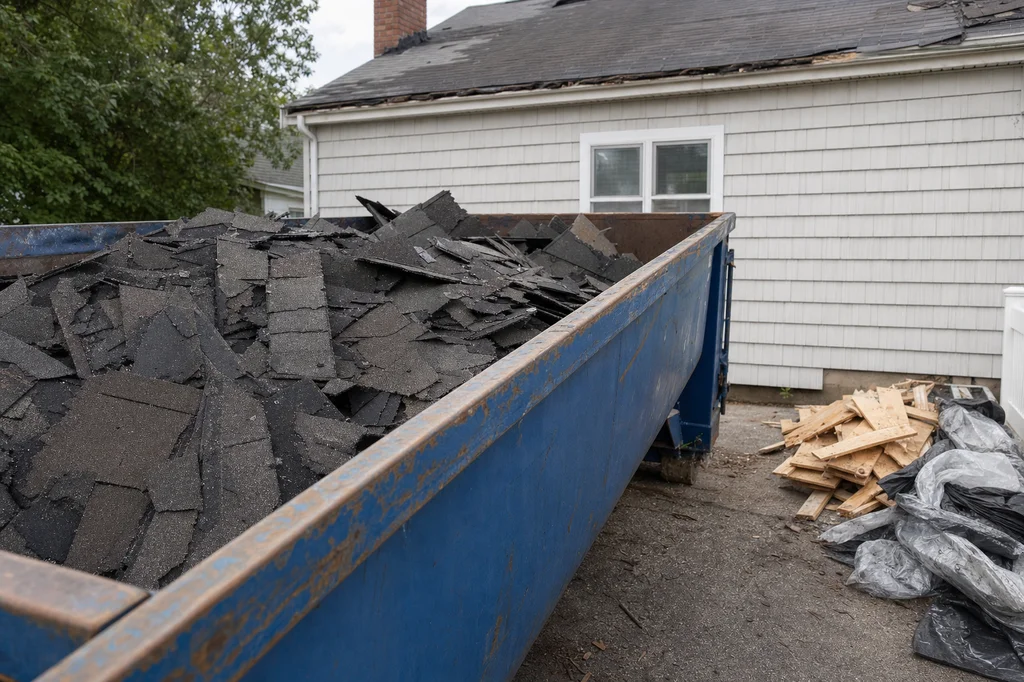
Old asphalt shingles do sometimes become material for roads, but that outcome depends on a working local recycler, clean loads, and demand from paving companies. Before a reroof, get the contractor’s actual shingle-disposal destination in writing rather than relying on broad recycling or road-reuse promises.
Why asphalt-shingle recycling can stop even where a recycler exists
A recycling facility is not a guarantee that your shingles will be recycled. The usable outlet is often road construction, and that outlet can shrink when paving demand, weather, processing capacity, or acceptable mix requirements change.
Recyclers can grind clean shingles into a dark aggregate that paving companies may use in asphalt for roads, highways, and parking lots. But the material needs a buyer. In one Indiana example, facilities had stopped accepting shingles or had material waiting while processing equipment sat idle. In that situation, shingles collected with recycling in mind may still end up at a landfill.
Road mixes also have limits. Premature cracking and potholes were reported when some paving companies used too much recycled shingle material. Fiberglass in shingles was identified as a constraint because it is difficult to separate during processing. That does not mean road reuse is impossible; it means a recycler needs a viable process and a paving customer that can use the processed material correctly.
Clean tear-off material affects whether shingles can be processed
Clean shingle loads are easier to recycle than mixed construction debris. Pallets, plastic wrapping, siding, plywood, wood, cedar, and other debris can require sorting labor or make a load unsuitable for a shingle grinder.
This is a practical distinction for a reroof proposal. “We recycle” is not the same as a plan for keeping roofing material separate from the rest of the tear-off. One facility described a goal of receiving loads clean enough to go directly into its grinder, while another operation showed mixed wood and roofing debris being shredded for reuse as cover or road material at landfills.
That second use may reduce the need for virgin dirt or rock, but it is not the same as turning old shingles into new pavement. If environmental disposal is a deciding factor for you, ask for the specific end use rather than treating every form of reuse as shingle recycling.
What a recycling pledge or sustainability claim does—and does not—prove
A manufacturer’s recycling page or contractor pledge may show support for recycling, but it does not establish the destination of your particular roof. Owens Corning markets a shingle-recycling pledge for participating contractors.
An Indiana example showed why that distinction matters: some contractors listed with a recycling symbol could not identify where their shingles went, while a recycling company was no longer accepting shingles. A contractor may intend to recycle and still lack an operating local outlet on the day your roof is removed.
For a homeowner, the useful standard is simple: treat environmental marketing as a reason to investigate, not as proof of final disposal. A contractor who knows the disposal plan should be able to name the receiving facility and explain whether the load is being accepted for processing, landfill cover, or burial.
A disposal checklist for an asphalt-shingle reroof
You do not need to manage the tear-off yourself. Use the proposal and pre-job conversation to establish what will happen after the shingles leave your property.
- Name the destination. Ask for the landfill, transfer station, construction-and-demolition recycler, or dedicated shingle recycler that will receive the load.
- Ask whether the facility is currently accepting shingles. A listed recycler may have paused intake, closed seasonally, or lack a purchaser for processed material.
- Separate recycling from reuse. Ask whether shingles are expected to be ground for paving asphalt, used as landfill cover or road material at a landfill, or disposed of in a landfill.
- Confirm the load plan. Find out whether shingles will be kept apart from wood, packaging, siding, and other tear-off debris that can interfere with processing.
- Put the representation in the scope. If recycling is part of why you selected a bid, have the contract describe the intended destination and what happens if that facility will not accept the load.
- Expect a contingency. A contractor should be candid if landfill disposal is the only available option on your project date.
How to compare bids when disposal matters to you
Choose the bid with the clearest, verifiable disposal plan—not simply the greenest wording. A lower price or a recycling logo does not tell you whether a facility is accepting material or whether the contractor will keep the load clean enough for processing.
One useful comparison is between a contractor that names a currently operating shingle recycler and describes the clean-load process, and one that only says materials are “recycled.” The first offer gives you a specific claim to evaluate. The second may still be acceptable for the roof itself, but it does not support a confident environmental claim.
Do not assume a landfill’s separate shingle area means immediate recycling. One example involved a landfill segregating shingles in the hope that they could be recovered later if demand returned. Segregation can be preferable to mixing shingles with ordinary trash, but it is still different from confirmed processing into paving material.
When landfill disposal may be the honest answer
Landfill disposal may be the only available route in some markets or at certain times of year. The responsible response is transparency before the work begins, not a promise that cannot be verified after the dumpster or trailer leaves.
If a contractor tells you recycling is unavailable, you can still decide whether asphalt shingles fit your priorities. Ask for a clear scope, proper removal and installation practices, and an honest disposal plan.
Choosing a contractor based on an unverified disposal claim can leave you paying for an outcome that never occurs. Directorii lists verified contractors.
Source: Why asphalt shingles may go to landfills instead of roads
FAQ
Are asphalt shingles actually recycled into roads?
Some asphalt shingles can be ground and used as an ingredient in paving asphalt, but that is not the outcome for every tear-off load. Recycling depends on a facility accepting clean shingles, having processing capacity, and having paving customers able to use the material. In some areas, landfill disposal remains the available option.
How can I verify where my old asphalt shingles will go?
Ask the contractor to name the receiving facility and state whether the shingles are intended for paving-material processing, landfill cover, or landfill disposal. If recycling affects your decision, request that the intended destination be included in the written scope. You can also contact the named facility to confirm it currently accepts shingle loads.
Does a contractor recycling pledge guarantee my roof will be recycled?
No, a recycling pledge does not by itself guarantee the final destination of your roof. A recycler may pause intake, operate seasonally, or lack demand for processed shingles. A pledge can indicate an intention to recycle, but you still need a project-specific disposal plan from the contractor.
Why do recyclers want clean shingle loads?
Clean loads are easier to process because pallets, plastic, siding, plywood, cedar, and other debris can require extra sorting or interfere with grinding. A dedicated shingle recycler may need material that can move directly into processing. Mixed debris may instead be handled as general construction waste or reused differently.
Is landfill cover the same as asphalt-shingle recycling?
No, landfill cover and recycling into paving material are different end uses. Shredded mixed construction material may be used as cover or road material within a landfill, which is a form of reuse. That does not mean the shingles were processed and sold to a paving company for new roads.